How These 2 Founders Saw Opportunities When Others Panicked

How These 2 Founders Saw Opportunities When Others Panicked

18/08/2025

Regulatory Reversals Pose Challenges for Sustainable Businesses

On March 12, 2025, the U.S. Environmental Protection Agency rescinded 31 regulatory initiatives and dissolved its Diversity, Equity, and Inclusion office along with 10 regional environmental justice offices. These offices had previously worked with local communities to address pollution sources.


Such actions align with President Trump’s broader policy agenda of reducing regulatory burdens on industries such as coal, manufacturing and resource extraction. However, the rollbacks also affect long-standing environmental protections established under previous administrations, including measures aimed at safeguarding air & water quality, and climate change navigation.


What this means for greentech founders

Gen AI isn’t just coming for spreadsheet jockeys – it’s reshaping how we think about “safe” careers entirely. A Resume Builder survey shows 37% of US bachelor’s degree holders are pivoting to skilled trades, betting on better job security and pay than their office-bound peers.


Singapore tells a different story. While some recruiters see graduates exploring trades out of necessity rather than AI fears, the underlying question remains: which jobs are actually automation-proof?


What this means for Gen-Z founders building in blue-collar trades
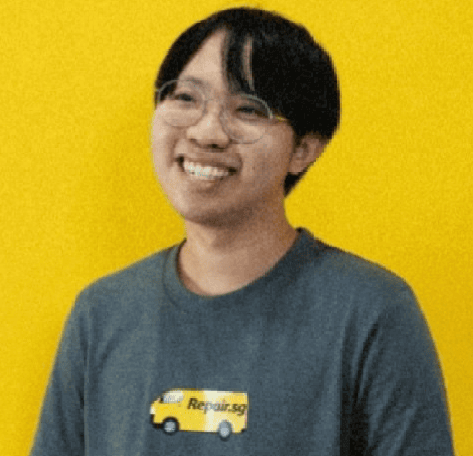
Zames Chew
Co-Founder & CEO
Repair.sg


Blue-collar is cool again. Trades like plumbing and HVAC are being talked about as safer career paths than white-collar jobs in the age of AI. There is some truth to that, but it is not as simple as blue or white. Trade work offers stability because the core service is harder to replace with technology and more likely to be enhanced by it. People will always need their homes and workplaces to function safely. That constant demand means the work does not vanish even in downturns.


At Repair.sg, we see this daily. Customers call us not for a want, but a need. Their aircon malfunctioned, lights failed, or pipes burst. The job has to be done, and it will take major breakthroughs to replace the physical presence of a skilled technician. What AI can do is improve the business side – better communication, inventory management, scheduling, and more. These tools make us more efficient and our people more valuable.


But our business is not untouchable. If another company uses AI more effectively, they can displace us. For now, we are shielded because this is a low-margin, mature, and deeply human industry where disruption does not unlock big upside. Still, the scales can tip quickly when the economy shifts. That keeps me grounded. If we stay honest about where we stand and adapt before change forces us, change can be a good thing.


Gen Zs’ Travel Revolution: From Scroll to Suitcase

Gen Zs are rewriting the entire travel playbook. While previous generations planned around destinations, Gen Zs discover experiences through social feeds, then expect to book instantly. This scroll-to-suitcase behaviour happens in minutes, not months, and it’s creating both massive opportunities and major headaches for travel companies.


The numbers tell the story: 70% of Gen Z and Millennials prioritise the journey as much as the destination, focusing on meaningful experiences over traditional sightseeing. Meanwhile, 83% find AI useful for booking, especially for activity recommendations, budgeting, and translation help.


The challenge, though, is that traditional travel infrastructure wasn’t built for spontaneous, socially-inspired booking. Gen Zs expect payment flexibility, instant confirmation, and seamless discovery-to-purchase flows that most platforms still can’t deliver.


What this means for the travel industry
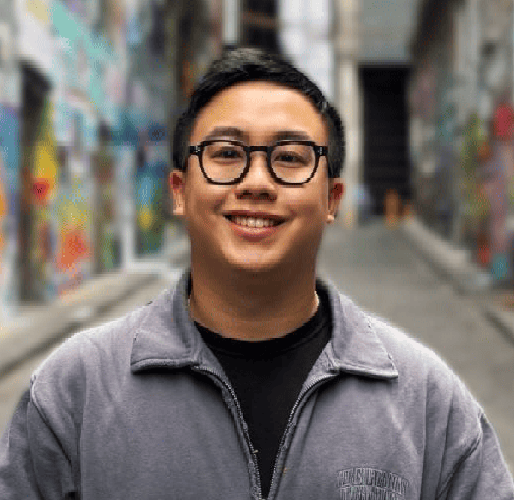
Darryl Han
Chief of Staff
Fly Fairly


Traditional travel booking i.e. fixed itineraries, upfront costs, rigid planning etc doesn’t match how Gen Zs actually live and budget plan. The demand is clear: flexibility, speed, and self-curation. Whether it’s spontaneous trips inspired by social media or splitting payments across pay cheques, younger travellers need infrastructure that bends to their habits, not the other way around.


The gap between discovery and booking is where most platforms fail. This was why I built LFG, a social travel discovery app. When Fly Fairly – a flight aggregator with flexible payment options across hundreds of airlines – acquired us, the integration made perfect sense. Both teams believed travel should feel natural and accessible for the next generation.


As LFG’s founder, I’ve watched travel decisions move from spark to confirmed booking in real-time. The biggest lesson was that product-market fit today is also about cultural fit. You need to speak the emotional and financial language of your users. For Gen Zs, that means designing for flexibility, enabling split payments, and creating experiences they genuinely want to share. The key isn’t just adding features but more of building something that feels like it was made for them.
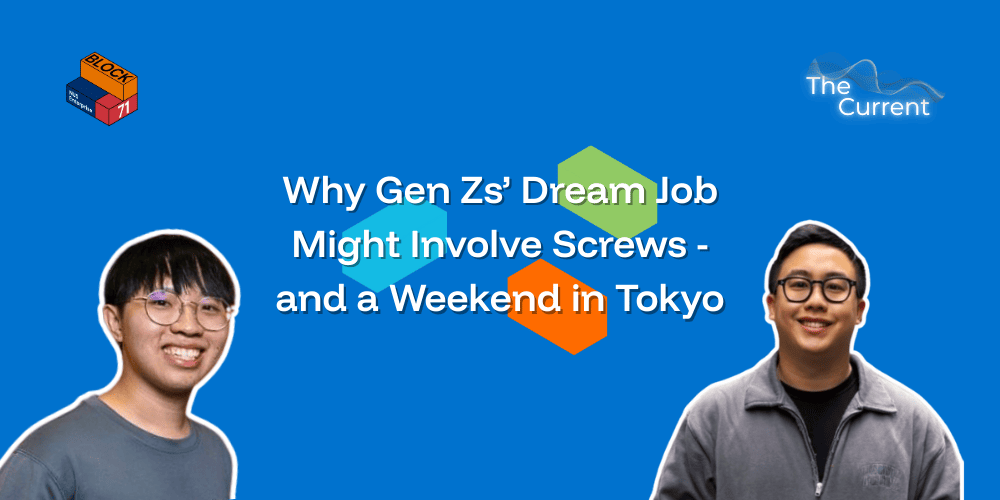
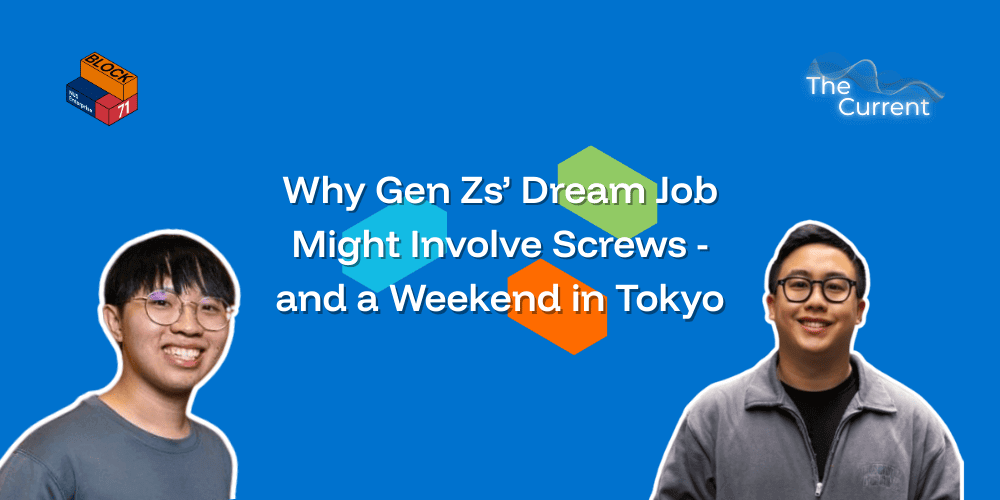


Why Gen Zs’ Dream Job Might Involve Screws – and a Weekend in Tokyo

Why Gen Zs’ Dream Job Might Involve Screws - and a Weekend in Tokyo

23/09/2025

Gen Zs are flipping the script on everything we thought we knew about career paths and consumer behaviour. They’re trading four-year degrees for well-paying trade jobs, booking international trips faster than ordering lunch, and basically proving that traditional playbooks have become irrelevant.


Today we’re diving into the founders riding this wave – from trade businesses staying ahead of AI disruption to travel platforms cracking the code on scroll-to-purchase behaviour. If you’re building for the next generation, these insights might just reshape how you think about your own industry.


The Great Trade-Off: Why College Grads Are Going Blue-Collar

Gen AI isn’t just coming for spreadsheet jockeys – it’s reshaping how we think about “safe” careers entirely. A Resume Builder survey shows 37% of US bachelor’s degree holders are pivoting to skilled trades, betting on better job security and pay than their office-bound peers.


Singapore tells a different story. While some recruiters see graduates exploring trades out of necessity rather than AI fears, the underlying question remains: which jobs are actually automation-proof?


What this means for Gen-Z founders building in blue-collar trades

Zames Chew
Co-Founder & CEO
Repair.sg


Blue-collar is cool again. Trades like plumbing and HVAC are being talked about as safer career paths than white-collar jobs in the age of AI. There is some truth to that, but it is not as simple as blue or white. Trade work offers stability because the core service is harder to replace with technology and more likely to be enhanced by it. People will always need their homes and workplaces to function safely. That constant demand means the work does not vanish even in downturns.


At Repair.sg, we see this daily. Customers call us not for a want, but a need. Their aircon malfunctioned, lights failed, or pipes burst. The job has to be done, and it will take major breakthroughs to replace the physical presence of a skilled technician. What AI can do is improve the business side – better communication, inventory management, scheduling, and more. These tools make us more efficient and our people more valuable.


But our business is not untouchable. If another company uses AI more effectively, they can displace us. For now, we are shielded because this is a low-margin, mature, and deeply human industry where disruption does not unlock big upside. Still, the scales can tip quickly when the economy shifts. That keeps me grounded. If we stay honest about where we stand and adapt before change forces us, change can be a good thing.


Gen Zs’ Travel Revolution: From Scroll to Suitcase

Gen Zs are rewriting the entire travel playbook. While previous generations planned around destinations, Gen Zs discover experiences through social feeds, then expect to book instantly. This scroll-to-suitcase behaviour happens in minutes, not months, and it’s creating both massive opportunities and major headaches for travel companies.


The numbers tell the story: 70% of Gen Z and Millennials prioritise the journey as much as the destination, focusing on meaningful experiences over traditional sightseeing. Meanwhile, 83% find AI useful for booking, especially for activity recommendations, budgeting, and translation help.


The challenge, though, is that traditional travel infrastructure wasn’t built for spontaneous, socially-inspired booking. Gen Zs expect payment flexibility, instant confirmation, and seamless discovery-to-purchase flows that most platforms still can’t deliver.


What this means for the travel industry

Darryl Han
Chief of Staff
Fly Fairly


Traditional travel booking i.e. fixed itineraries, upfront costs, rigid planning etc doesn’t match how Gen Zs actually live and budget plan. The demand is clear: flexibility, speed, and self-curation. Whether it’s spontaneous trips inspired by social media or splitting payments across pay cheques, younger travellers need infrastructure that bends to their habits, not the other way around.


The gap between discovery and booking is where most platforms fail. This was why I built LFG, a social travel discovery app. When Fly Fairly – a flight aggregator with flexible payment options across hundreds of airlines – acquired us, the integration made perfect sense. Both teams believed travel should feel natural and accessible for the next generation.


As LFG’s founder, I’ve watched travel decisions move from spark to confirmed booking in real-time. The biggest lesson was that product-market fit today is also about cultural fit. You need to speak the emotional and financial language of your users. For Gen Zs, that means designing for flexibility, enabling split payments, and creating experiences they genuinely want to share. The key isn’t just adding features but more of building something that feels like it was made for them.
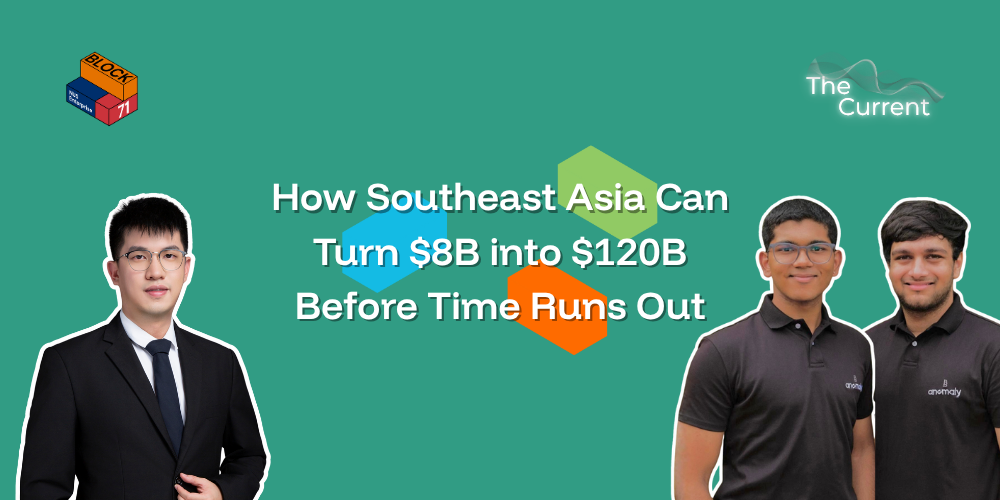


How Southeast Asia Can Turn $8B into $120B Before Time Runs Out

How Southeast Asia Can Turn $8B into $120B Before Time Runs Out

23/10/2025

The market isn’t waiting. Climate tech in Southeast Asia is shifting from idealism to infrastructure, and biology is entering its prove-it-or-die phase. Capital is tightening, expectations are rising, and the only advantage now is execution at commercial speed. This is where quiet builders outlast loud visionaries.


In this edition, we explore how industry trends are opening doors for those ready to pivot and ways agile founders are staying ahead.


Southeast Asia’s $120B climate opportunity

Southeast Asia has a rare shot at turning climate action into economic momentum. Bain & Company’s Green Economy 2025 report shows that investing in clean energy, EVs, and sustainable agriculture could close nearly 50% of the region’s emissions gap by 2030 – while adding US$120 billion to GDP and creating 900,000 jobs. Agriculture alone could deliver massive emission cuts through sustainable farming and bio-based alternatives, whilst supporting millions of livelihoods.


But there is a gap: the current green investment sits at just US$8 billion annually – far short of the US$50 billion needed to hit 2030 targets. Bain warns “the window to act is narrowing,” but the opportunity is clear: with smart systems, serious financing, and regional collaboration, Southeast Asia can transform climate ambition into lasting economic growth. The demand is there across renewables, EVs, and nature-based solutions – now it’s about mobilising the capital to match it.


What this means for climate tech founders

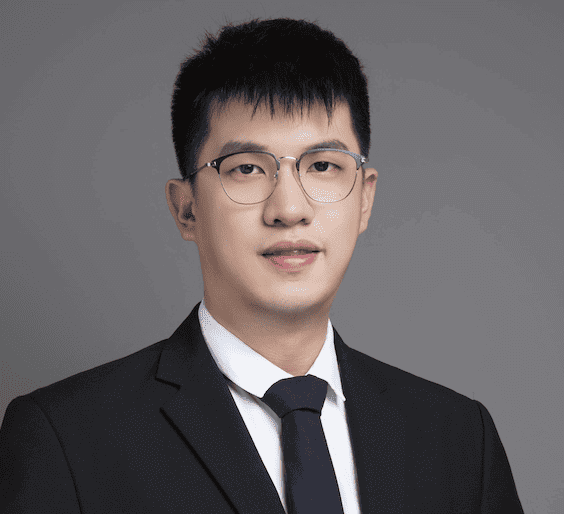
Dr Hanson Lee
CEO
Green COP Pte. Ltd.


The bioeconomy is accelerating as countries and industries tackle decarbonisation. At Green COP, we’ve been working purposefully to transform agricultural waste into sustainable biobutanol – a drop-in fuel that cuts emissions without overhauling existing infrastructure. As we scale towards 100 tonnes per day at commercial capacity, we stay lean, practical, and collaborative.


Green COP operates as a technology enabler, licensing our proprietary pre-treatment and fermentation platforms whilst supplying customised biocatalysts to help partners convert local agriwaste into sustainable fuels. Real change happens when innovation is decentralised and shared. In Southeast Asia, where biomass is abundant but underutilised, our modular approach enables faster deployment, lower emissions, and greater economic inclusion. Our role isn’t just to lead – it’s to build alongside others, creating an accessible, scalable, and resilient clean fuel ecosystem.


Real progress in climate innovation is often quiet, built through small wins and steady collaboration. As a founder, I’ve learnt to stay patient and grounded in our mission, even when the way forward isn’t clear. Solve real problems, build with intention, and let your work speak for itself. That quiet consistency is what moves the bioeconomy forward.


Fewer Funding Rounds, Bigger Stakes in Biotech 2025

Biotech funding cooled in early 2025, with HSBC reporting global investment dropping from $7 billion in Q1 to $4.8 billion in Q2 – the lowest in over a year. Early-stage rounds took the biggest hit, with first-time financings plunging from $2.6 billion to $900 million as investors shifted to fewer, higher-conviction bets. HSBC calls this a recalibration rather than a retreat, reflecting the market’s growing demand for validated science and clear commercial pathways.


This signals a more disciplined funding environment, not an innovation slowdown. Investors are prioritising proof-points over volume, meaning biotech’s next growth phase will reward teams that combine scientific rigour with sharp execution.


What this means for the biotechnology industry

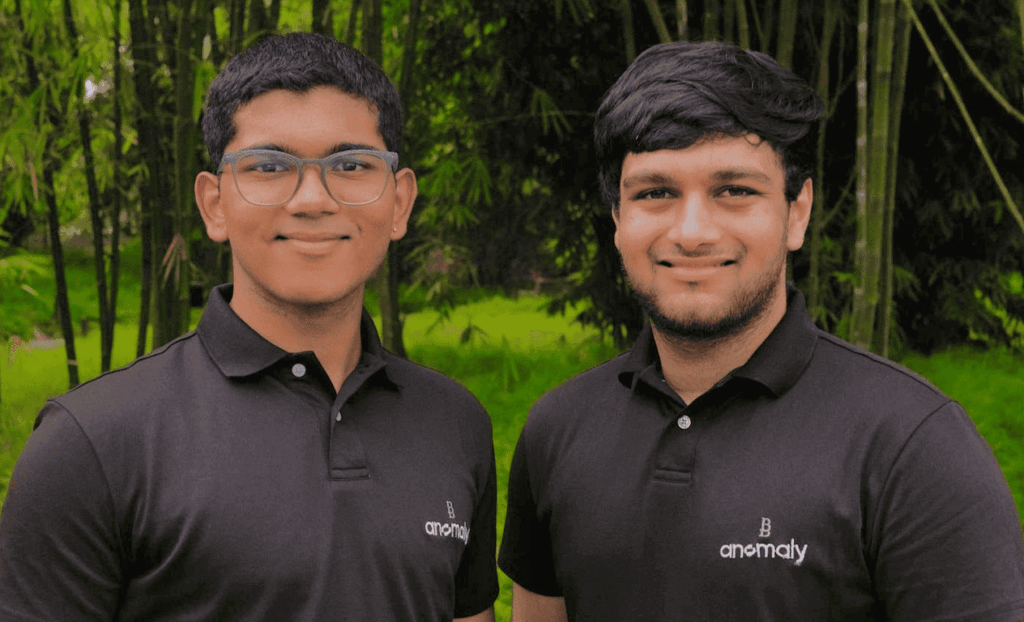
Samyak Baid & Armaan Dhanda
Co-Founders of Anomaly Bio

Industrial biotechnology is at a turning point. After years of rapid growth, the field faces a funding reset driven by high costs, slow commercialisation, and the realisation that great science alone doesn’t guarantee commercial success. The focus is shifting from proving what biology can do to demonstrating it works reliably, affordably, and at scale. The winners will connect research with real-world markets through sharp execution and clear storytelling.


Singapore is responding with strong policy backing, generous government grants, and initiatives like NUS’s $150 million Venture Capital Programme for deep-tech ventures. Challenges around founder ownership and commercial focus remain, but the country’s infrastructure, precision, and regulatory reliability make it a solid base for biotech R&D. With growing late-stage funding and international collaboration, Singapore is positioning itself as a launchpad where science becomes a scalable business.


Industrial bio is becoming more grounded. Investors now demand solutions that generate early revenue, scale efficiently, and outperform existing products significantly. The next generation of leaders won’t just be brilliant scientists—they’ll be builders who make biology useful, scalable, and market-ready. The question is no longer how it’s made, but whether it works better and scales.

How AI is rewriting the physical world and who’s cashing in

How AI is rewriting the physical world and who's cashing in

14/11/2025

Fresh out of Singapore Week of Innovation and Technology (SWITCH) 2025, one theme stood out – the new industrial revolution where AI meets hardware.


We’re seeing it unfold: Alibaba’s $6B robotics push, and AI transforming cancer diagnostics from guesswork to science. The shift to physical AI is happening now.


Alibaba Bets on Embodied AI in $6B Robotics Wave

Robotics startups raised $6B in the first seven months of 2025. After years of trial and error, the fundamentals are finally in place – hardware is cheaper, and startups know what customers want.


Alibaba is betting big. It’s formed a robotics and embodied AI team within its Qwen unit to bring foundation models into physical applications. It also led a $140M round in X Square Robot, while CEO Eddie Wu projects AI investment could hit $4T in five years.


With NVIDIA and SoftBank making similar moves, big tech is signaling one thing: the shift from virtual to physical AI is here.


What this means for founders building in embodied AI

Lucas Ngoo
Founder
Cortex AI


This is the best time to be working on embodied AI – you can already see the signs of life in the field. Over the past year, robotics foundation models from the likes of Physical Intelligence and NVIDIA have shown how quickly the field is moving. Hardware prices are falling, and GPUs are not necessarily the limiting factor as we’re still far from hitting the limits of data scaling in robotics. The main challenge now is scaling up data – not just any kind, but high-quality, egocentric data that helps robots learn by observing humans at work. That data bottleneck is now the biggest limiter of progress in general-purpose robotics.


When companies like Alibaba set up dedicated embodied AI and robotics teams, it sends a positive signal for the whole ecosystem. Around 80% of the world’s GDP still comes from physical labour, so there’s plenty of room for both big tech and startups to contribute. Big companies have the computing power and resources to train large models, while startups like us collect the real-world data they need. The more focus there is on this space, the better it is for everyone – it expands the ecosystem and increases demand for data and testing.


For founders, the fundamentals haven’t changed. Find a niche that big companies aren’t focusing on, or one that complements what they do, and be the best at it. That’s how you grow from small to significant. In our case, that niche is real-world data for robotics, and we’re seeing how important that is to unlock embodied AI’s next phase. It’s still early, and that’s what makes it interesting.


AI Is About to Make Cancer Drug Development Way Smarter

Dr Anthony Chua
Co-Founder & CEO
StratifiCare Pte Ltd


In medicine, time is the most precious resource, and uncertainty is the enemy of value. As AI transforms the future of diagnostics, we’re finally closing that gap between high-cost treatments and predictable outcomes. To me, this is the real frontier of precision medicine: using data to de-risk therapies and give every patient a fairer, faster shot at recovery.


At StratifiCare, we’ve built what I call a Precision Intelligence Layer — an AI-powered blood test that can accurately predict, before treatment begins, whether a liver cancer patient will respond to TARE, a minimally invasive “precision missile” therapy that targets tumours from within. By identifying non-sustained responders early, we help doctors make immediate course corrections, saving those critical months that can change a patient’s prognosis and conserving valuable healthcare dollars.


What excites me is that this isn’t just about improving outcomes; it’s about redefining value in medicine. When AI can turn a high-stakes clinical gamble into a predictable, financially sound pathway, we accelerate not only a patient’s path to cure but the healthcare system’s return on investment. That’s how we de-risk the future of care by putting intelligence at its core.


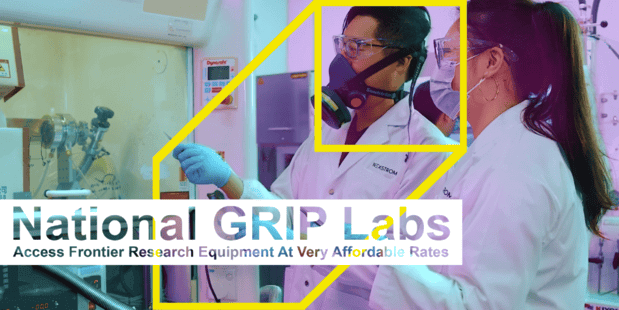
Great Science Deserves a Great Space


From precision-built infrastructure to collaborative zones, these new labs are made for scientists, researchers and innovators who aim higher.


✅ Sector-agnostic platform supporting local and international deep-tech ventures at all stages—from advanced materials, space tech to biotechnology and food innovation.


✅ Wide range of advanced instruments to meet your specific laboratory needs.


✅ Access super cutting edge equipment from NUS & NTU


How This Doctor’s Heartbreak Moved Him To Change Healthcare

How This Doctor's Heartbreak Moved Him To Change Healthcare

15/07/2025
Dr. Nelson Lau, CEO and Founder of HealthBridge AI.

Hey there, friend of BLOCK71. Have you ever wanted to do something for the longest time, but inertia kept pulling you back, until something pushed you over the edge?


As a senior medical adviser for Medibank (Australia’s largest private health insurer) with over 30 years of experience, Dr. Nelson Lau has been passionate about improving healthcare with technology. But he didn’t know how to bring his advocacy to the next level, until a particularly haunting incident took place.


During Australia’s strict COVID-19 lockdowns, Dr. Lau found himself at the frontlines of a telemedicine emergency response taskforce. One day, an 80-year-old woman with a history of chronic obstructive pulmonary disease (COPD) called the hotline to report that she was COVID-positive but had no symptoms.


Due to the overwhelming volume of calls and limited doctor availability, she was placed in a queue. When Nelson finally called her back the next day, there was no answer. Following protocol, police officers were dispatched to check in on her.


But it was too late. She had passed away.


“These data points that we had – 80-year-old with a history of COPD, COVID positive, no symptoms  even these few data points meant she should have been seen immediately by a doctor or gone to the hospital via ambulance because of the risk factors,” Nelson explained. “She could have been drowning in her lungs and not felt anything.”


This preventable tragedy revealed a critical healthcare gap that technology could bridge. With thousands of patients waiting in queues during COVID peaks, Nelson realised that proper AI-powered triage could have identified high-risk patients immediately and increased their odds of survival. 


“Technology can really save lives,” Nelson emphasised. “If no one’s doing it, then that’s something that really motivated me to just get started and work on that.”


This mission led Nelson to make a dramatic life change. Despite having stability as a medical professional, he quit his practice, moved his family to Vietnam, and founded HealthBridge AI – an AI-powered healthcare platform that transforms patient care.

At First, Over 50 Investors Said No

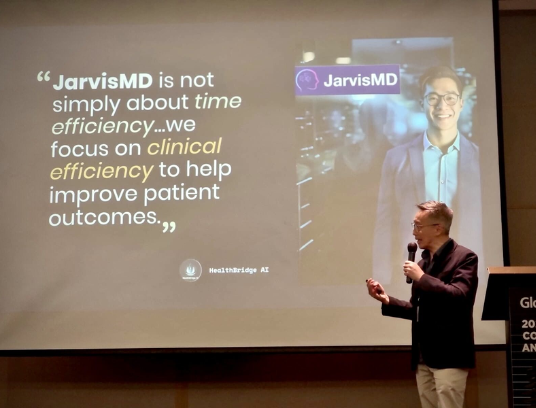
Dr. Nelson Lau presenting HealthBridge AI’s revolutionary tool — JarvisMD at the GlobalHealth Asia-Pacific Summit 2025.

The journey hasn’t been easy. Nelson and his co-founder faced endless rejections – over 50 VCs either declined or ghosted them. Many investors just couldn’t grasp the complex intersection of healthcare and AI that they were pioneering.
 

“When you combine those two things, it was kind of just going over their heads,” Nelson recalled. “One VC later told me that we were actually spending most of our time educating investors about both of these fields.”


What makes Nelson’s AI solution different from the many “AI scribes” flooding the market is his unwavering commitment to patient safety. While competitors rushed products with 70% accuracy that sometimes hallucinated critical medical information, Nelson refuses to compromise.


“That’s dangerous. You can’t release something in public like that,” he insisted. “Coming from a medical background, do no harm comes first.”


But All It Took Was A Yes


After countless setbacks, the founders’ persistence started paying off when they first landed a spot in BLOCK71 Singapore and Microsoft’s Generative AI programme last year, where they received hands-on mentorship to fine tune their product.


The founders then went on to receive pre-seed funding from 22Health Ventures, a healthcare-focused VC that immediately understood HealthBridge AI’s potential. This breakthrough then helped open doors throughout Singapore’s healthcare ecosystem.
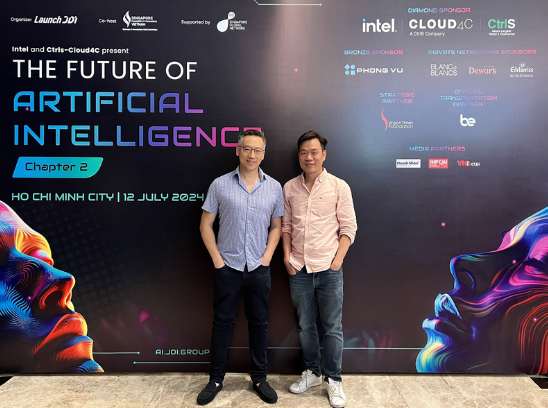
Dr. Nelson Lau with his co-founder & CTO, Mr Minh Nguyen.

Today, the startup is developing AI tools that can reduce doctors’ administrative time by up to 70%, while improving clinical efficiency through AI-powered scribing, letter writing and clinical recommendations. There is also an AI clinical co-pilot that analyses patient histories to help overwhelmed healthcare providers make more informed decisions quickly, preventing unfortunate incidents like the one Nelson encountered.


Every founder’s journey is tough and support is really important. If you are also trying to make your mark with your startup, consider enrolling into BLOCK71 and be part of a community that welcomes brave founders like Nelson.

How One Scientist Turned Her Own Cancer Diagnosis Into a Startup That’s Changing Lives

How One Scientist Turned Her Own Cancer Diagnosis Into a Startup That’s Changing Lives

03/09/2025

Hey there, friend of BLOCK71. How would you spend your time if you knew it was borrowed? Most founders talk about pivoting when their startup hits a wall, but what about pivoting when life itself forces your hand?

For Dr Susanti, the irony was brutal. She had spent years studying how cancer spreads through new blood vessels, watching cells betray healthy tissue under her microscope. She knew the statistics, the prognosis charts, the latest treatment protocols published in journals worldwide.

What she didn’t expect was to become her own case study.

At 28, with a PhD scholarship to Australia waiting and a promising cancer research career ahead, Susanti was diagnosed with stage three colorectal cancer. The woman who had dedicated her life to understanding cancer suddenly found herself on the other side of the equation – not as the researcher, but as the patient.


When Knowledge Becomes So Near Yet So Far


“My knowledge was actually my enemy,” Susanti recalls. While undergoing treatment in Indonesia, she knew exactly what advanced diagnostics and treatments existed in research papers. She knew what genetic testing could reveal about her tumor. She knew the survival statistics for her stage.


But she couldn’t access any of it.


The gap between cutting-edge research and clinical reality in Indonesia was a chasm that her scientific knowledge only made more painful. Her husband eventually confiscated her tablet and computer, begging her to stop reading journals and trust the doctors with the resources they had.


Two years. Eight rounds of chemotherapy. Multiple surgeries and complications that left her with a permanent stoma. Through it all, even while recovering on her sofa at home, Susanti continued supervising student research projects. Science wasn’t just her career – it was her identity, her meditation, her way of making sense of the world.


The Moment Everything Changed


And this was why the desire to complete her PhD brought her (and her family) to the University of Nottingham. There, Susanti faced a choice that would define her future. She could continue with breast cancer research as originally intended, or pivot to the very disease that had derailed her life.
 

She chose colorectal cancer.


“I thought this must be something God wanted to say to me,” she explains. “Why was I studying cancer, then I got cancer?”

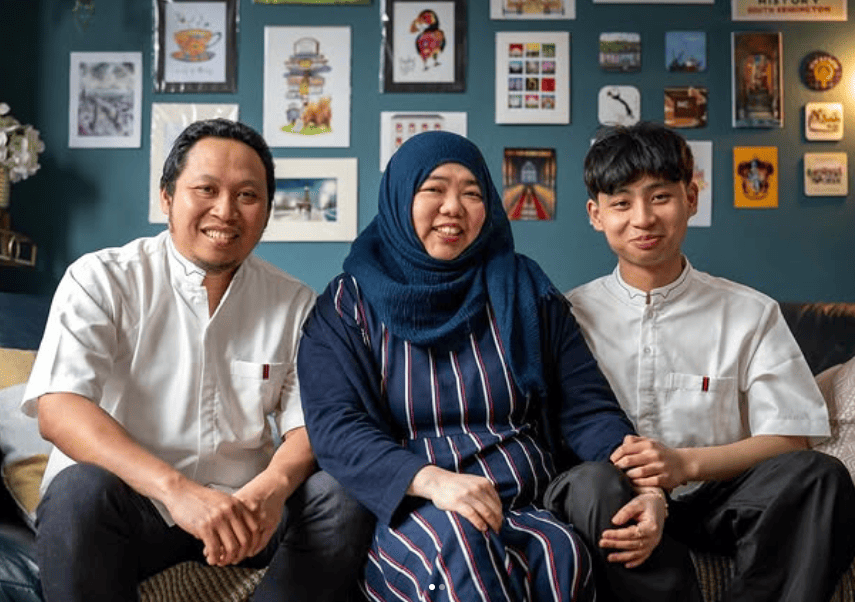
With the loving support of her husband and son, Dr Susanti uprooted her family and moved to the UK.

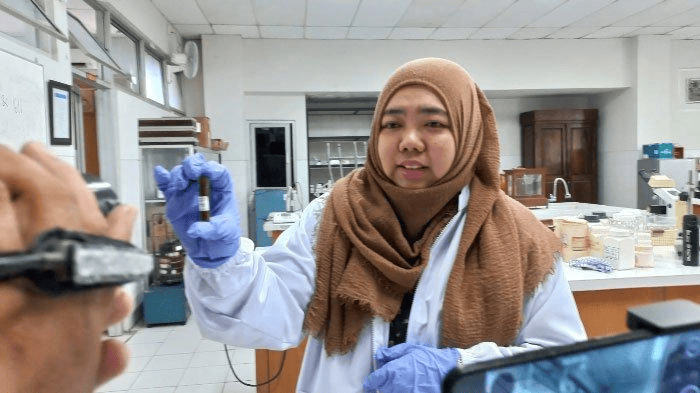
Her PhD project focused on linking cancer patients’ genetic makeup with their tumor microenvironment – essentially mapping how cancer cells recruit neighboring cells to support their growth. But as she developed a lab test for her research, a realisation hit her: this relatively simple test could give Indonesian cancer patients the genetic information she never had access to during her own treatment.


From Personal Pain to Patient Purpose


What started as academic research became a deeply personal mission. Susanti’s lab test was easier to perform than next-generation sequencing and could be implemented in Indonesia’s healthcare system. Instead of keeping it in the academic realm, she decided to transform it into a diagnostic kit that could actually help patients.


This decision led to PathGen.

PathGen is co-founded by Dr Susanti and Dr Michael Spica Rampangilei.

The journey wasn’t smooth. Fellow scientists questioned whether she could really build a startup. “We need to admit, in the science community we are kind of clueless about this startup journey,” she laughs. But her “go-getter personality” and the compelling narrative of her personal experience opened doors.


Indonesian clinicians embraced the project, offering free multi-center clinical validation. The state-owned biotech company Biofarma stepped in to help with manufacturing. PathGen won the People’s Choice Award at the Extreme Tech Challenge Global, validating that their story resonated beyond scientific circles.


The Face of Resilience


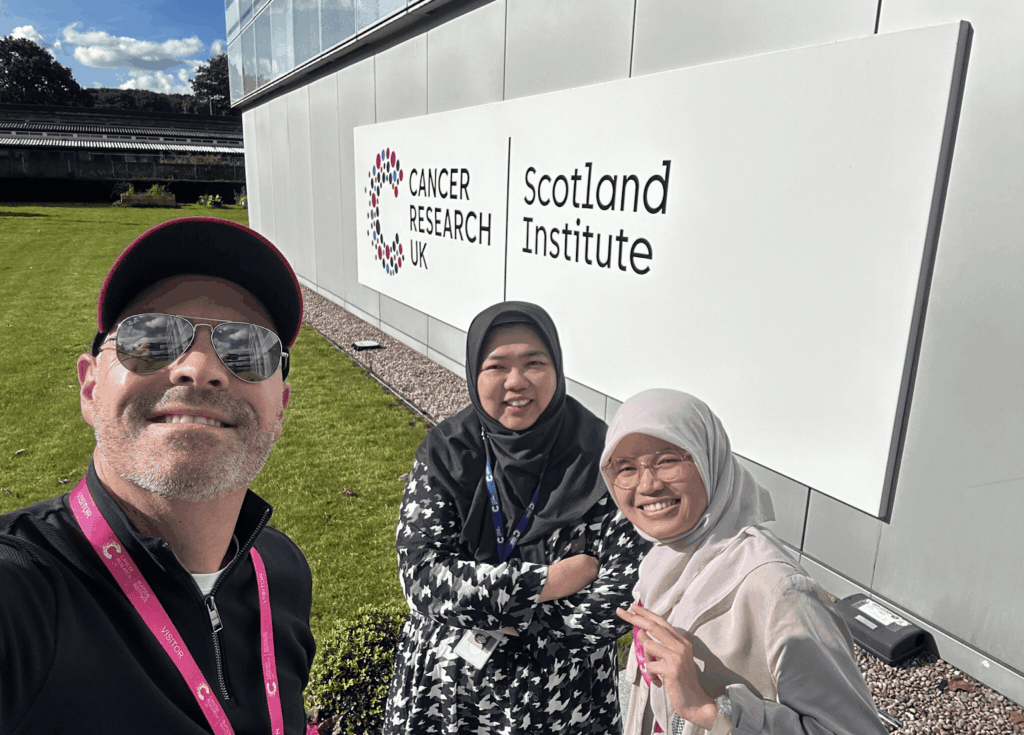
Today, Dr. Susanti lives what she calls “two and a half full-time jobs.” She’s a full-time researcher at Cancer Research UK Scotland Institute, where she studies cancer resistance at the single-cell level. She’s also full-time CEO of PathGen, flying between the UK and Indonesia three to four times a year to build partnerships and expand the company’s impact.

PathGen is now expanding beyond colorectal cancer into HPV-related cancer detection, molecular markers for stunting, and AI-powered precision treatment. Their goal isn’t just to bring advanced diagnostics to Indonesia but to also build research capacity and ensure that the next generation of patients won’t face the same gaps Susanti experienced.

Maximising That Second Chance

“After being diagnosed, you feel like someone robbed your time,” Susanti reflects. “Once you get a second chance, you think about how you’re going to use your borrowed time.”


For most people, a cancer diagnosis might end their research career or shift their priorities entirely. For Susanti, it became the catalyst for her most important work. The very knowledge that once felt like her enemy during treatment became her superpower as a founder.

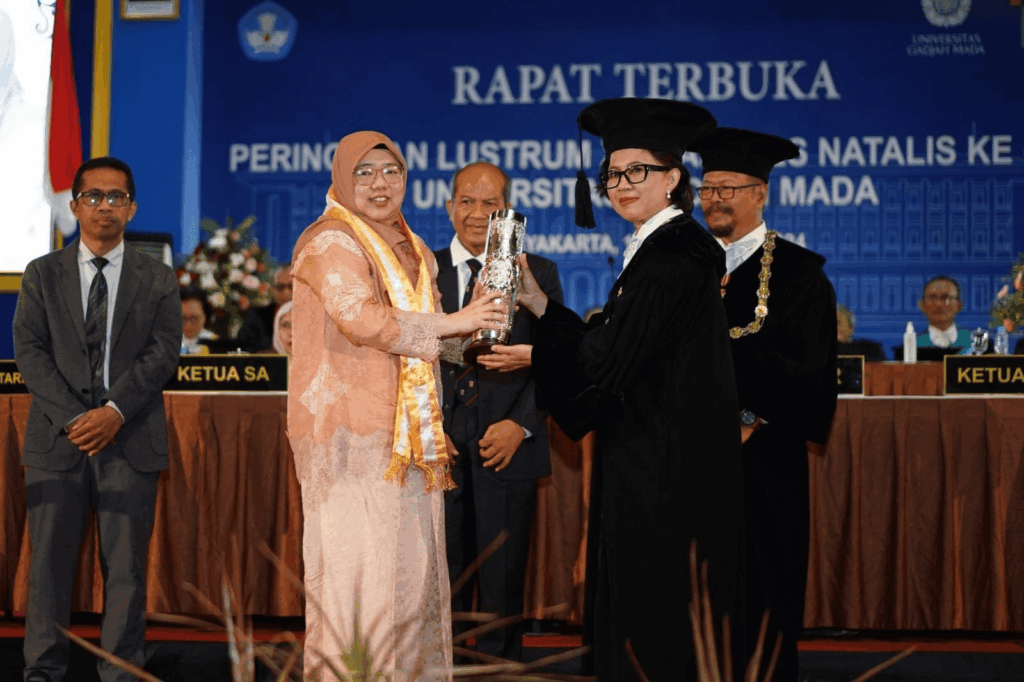
Dr Susanti was recently one of four individuals conferred with the Universitas Gadjah Mada Award, which recognises awardees’ contribution towards knowledge advancement in Indonesia.

Her story isn’t just about surviving cancer but also about transforming personal tragedy into systemic change. It’s about the beautiful, brutal irony of how our deepest challenges can become our greatest contributions.


In the lab, Susanti found meditation. In her diagnosis, she found frustration. In her recovery, she found purpose. And in founding PathGen, she discovered a way to ensure that future cancer patients in Indonesia won’t have to choose between hope and access.


Setbacks are setups for something bigger than we originally planned. Science never failed Dr Susanti, even when it felt like it had. It just took a different form, reminding us that our deepest expertise often gets forged in our darkest moments. 


The question is whether we can recognise it as the beginning of our most important work.

A Power Ranger With 5 Global Patents – How This Founder Solved Every Filmmaker’s Pain

A Power Ranger With 5 Global Patents - How This Founder Solved Every Filmmaker’s Pain

15/07/2025

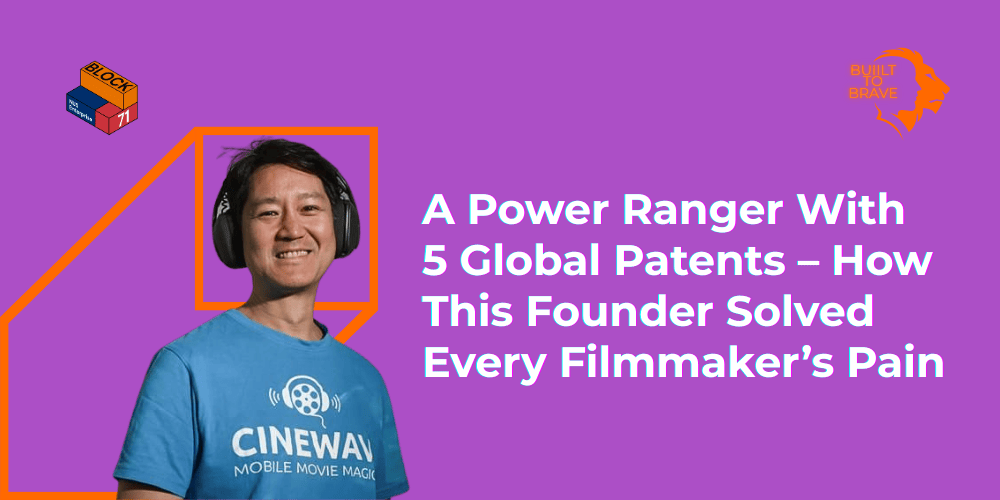
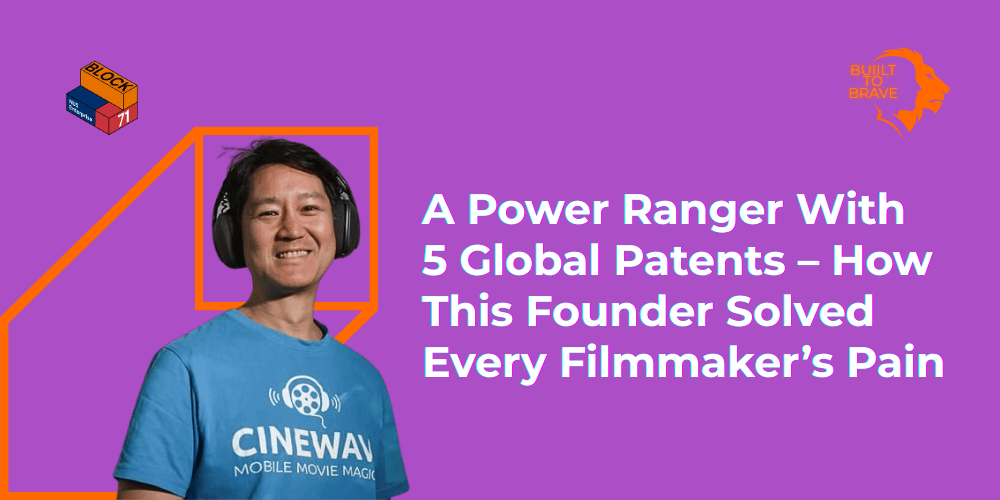
Hey there! Have you ever wondered why watching a movie could make you laugh or cry? Other than a great story, there is also sound. For this, you must know who Jason Chan is because his startup is the first in the world to crack an audio engineering problem to enhance your movie-going experience. 


Jason was always taking big leaps of faith. Fresh out of medical college, he decided that medicine wasn’t for him and enrolled in drama school, landed a Disney gig, and then became the Green Samurai Ranger in Power Rangers: Ninja Storm (leaving his Disney gig in the process).


“Every boy wants to be a superhero, and this was probably my only chance. So why not?” he explained.

Jason Chan (kneeling) with the rest of the Power Rangers.


An Aha Moment About Engineering Emotions


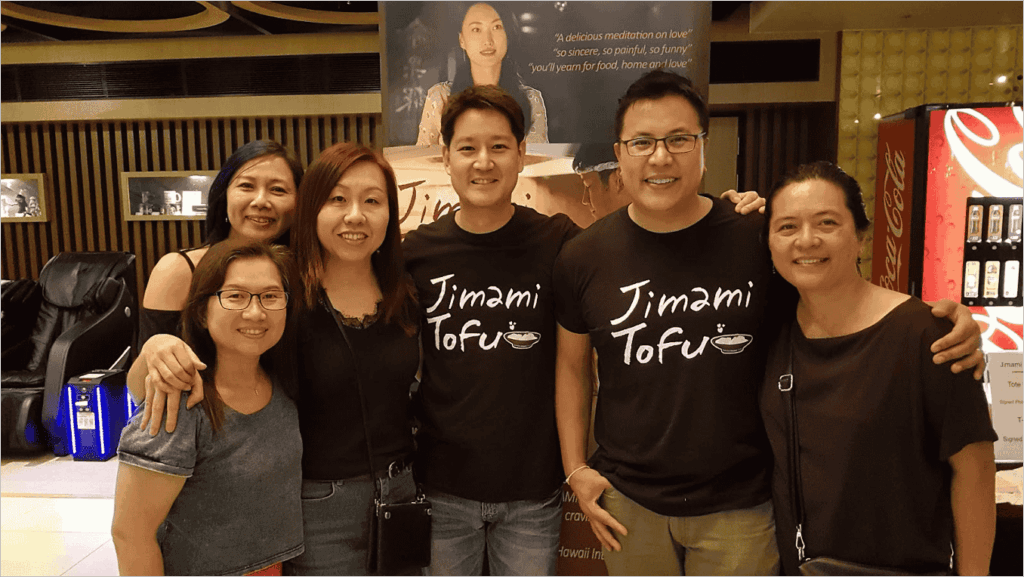
After amassing a global following, Jason left fame behind for his next adventure in Singapore where he, together with fellow actor Christian Lee, created the breakout film “Jimami Tofu.” But instead of moving on to their next project, the duo attended every single screening for 2.5 years to gather audience feedback.


“People thought we were crazy,” Jason laughed. “But why wouldn’t you want to know how your audience reacts to your creation?”

Jason and Christian collecting feedback from movie-goers.

Through this period, the duo discovered that precise, in-situ sound volume was the key factor in accurately influencing people’s emotional reactions to a film. When cinemas matched the film’s inherently calibrated sound levels, audiences were left in tears. But when levels were off, people politely said “nice film” and moved on.


Yet, it wasn’t as simple as asking cinemas to be consistent with audio because even in the same movie theatre, only people sitting in the centre enjoyed the optimised audio mix. Everyone else received an unbalanced, subpar experience. This audio blind spot became even more amplified at outdoor screenings. 


“Filmakers are obsessed with quality and we wondered what it would take to have everyone enjoy the same, perfect audio mix, no matter where they sit, indoors or outdoors,” Jason shared.


What happened next would test every ounce of the founders’ spirit.


The Impossible Problem


The solution seemed obvious: watch on a big screen, listen through your mobile phone. Perfectly synchronised audio for everyone, delivered through technology everyone already has.


“We thought this would be really easy to build,” Jason recalled. “A couple of coders could knock this out in two weeks, and we’d get back to filmmaking.”


Their startup, Cinewav, was launched in 2018. But 8 months, multiple freelancers and $30,000 later, there was no success in sight. Everyone’s feedback was consistent: perfect audio synchronisation amongst mobile phones with a computer playing the film could not be achieved


Jason was stunned. “We were looking online for someone else who had done this. We couldn’t find anyone. This seemed so obvious…but why hadn’t anyone solved it?”

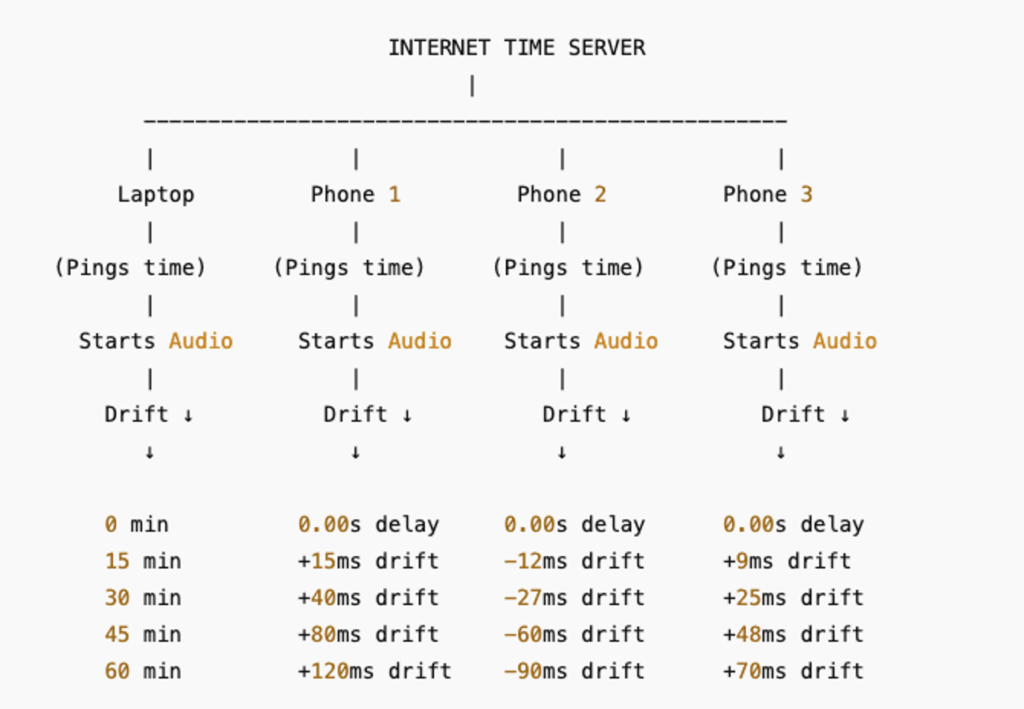
Every mobile phone plays audio at slightly different speeds.

The issue lies in a technical challenge most people never consider: mobile phones and laptops don’t actually keep time. They constantly ping the Internet for time updates, with inevitable lag and drift. Even if one can somehow play the same audio on multiple phones concurrently, the devices will gradually fall out of sync because each plays audio at a slightly different rate.


For solo listening, these millisecond differences are imperceptible. But when you are trying to sync audio to video for multiple people watching together, those tiny variations become obvious lip-sync disasters.


Breakthrough


After burning through more money and watching more engineers fail, Jason was ready to quit. But on the very last day of their final attempt, the development team showed up exhausted but triumphant.


“We’ve got 7 phones,” they announced, placing devices on the table. “We were all up till 4 AM, and we cracked it.”


They pressed play on a laptop. All 7 phones fired off in perfect sync and stayed synchronised for half a minute.


“We all got goosebumps,” Jason remembered. “This was a journey one year down, failing every month, thinking this was impossible.”

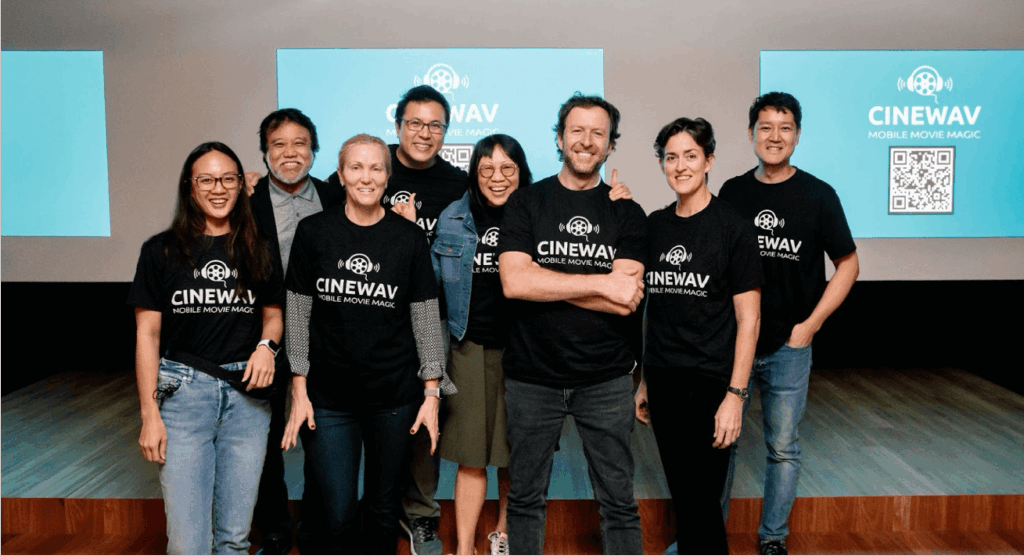
Early angel investors of Cinewav

By then it was early 2019 and the founders spent the whole year pitching to angel investors at conferences. Years of experience as actors came in handy as they beautifully sold the vision and secured $500,000 in funding just before COVID-19 shut down the world…and the cinemas. 


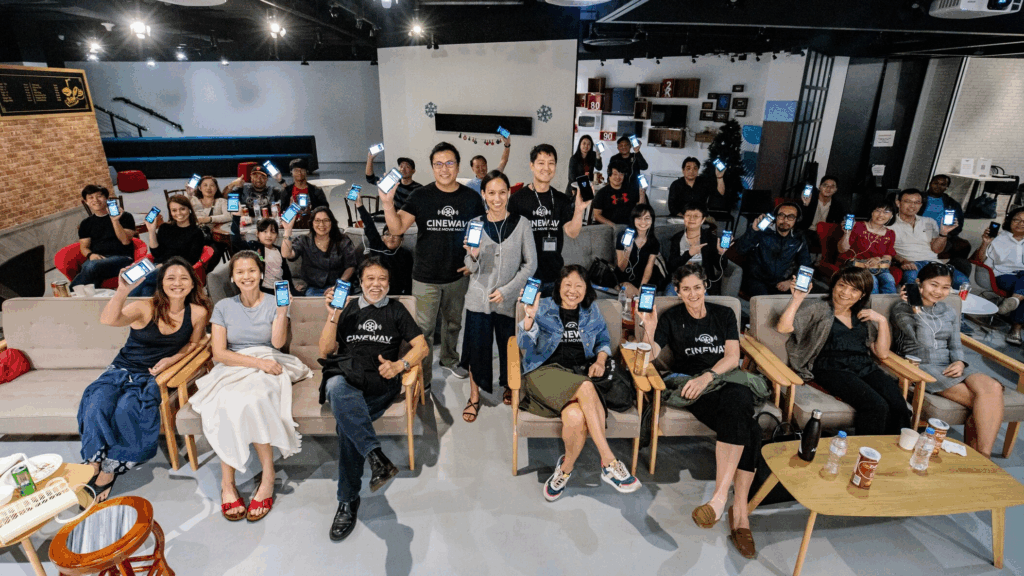
But instead of seeing it as a disaster, the founders reframed the pandemic as a gift: 2 years of uninterrupted development time. While the world stopped, the Cinewav team registered their technology via 5 global patents and relentlessly iterated their product. By January 2022, the team launched a full prototype capable of handling feature-length films with hundreds of devices.


Global Fame of A Different Kind


That same month Cinewav had its first public screening with 50 people watching a movie at Singapore’s Keppel Bay. Everything was on point and their success became viral. By June’22, the team was not only doing screenings at Marina Bay Sands but concurrently took on a massive challenge – Vivid Sydney – the world’s biggest light festival. Cinewav was invited to synchronise audio across 10 sites throughout the city, complete with drone shows for thousands of people.

“We weren’t ready,” Jason admitted, “but we did it anyway.”

Today, Cinewav has evolved beyond cinema. They are projecting stories onto trees at Singapore Botanic Gardens, creating immersive experiences at tourist sites, working with 3 other major locations on storytelling installations that blend technology with location-specific narratives, and exploring new opportunities in Africa.

Making trees come alive with stories at Singapore Botanic Gardens.

No Magic Formula. Just Show Up

From being an actor with no engineering background to multiple patents and international partnerships, Jason’s journey defies conventional startup wisdom. And he wants to say this to all young founders out there: “Show up. Be very curious about your customers’ experiences. Observe their reactions. Measure what matters. And when everyone says something can’t be done, remember that sometimes the most obvious solutions are the ones nobody has bothered to perfect.”


Every superhero story starts with someone willing to take an impossible leap. If you are about to take flight, BLOCK71 can be your co-pilot. Join us and apply for our incubation programme today.


In the meantime, stay adventurous, remain curious.


P.S. – Fun fact: Jason still has his Green Ranger suit. Some transformations are permanent like that.

How a Failed Dessert Startup Led to Industrial Energy Innovation in Southeast Asia

How a Failed Dessert Startup Led to Industrial Energy Innovation in Southeast Asia

08/08/2025

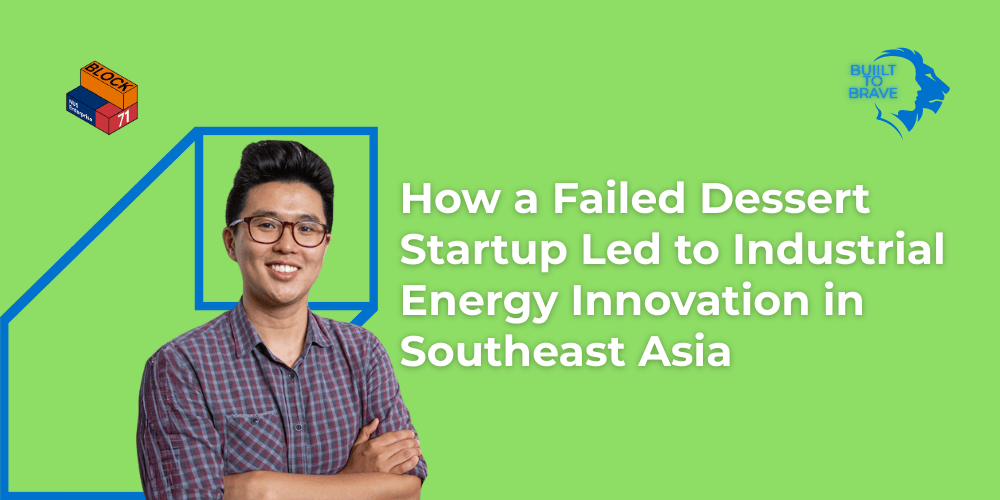
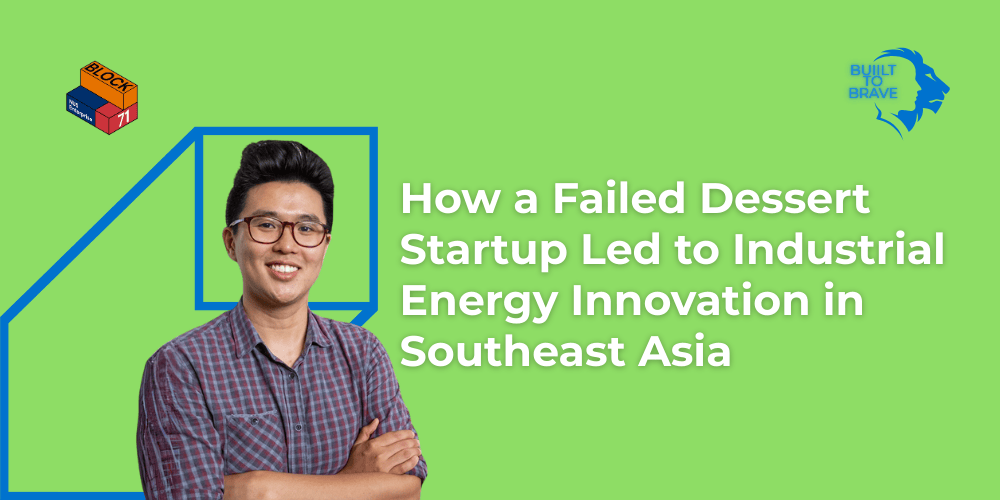
From time to time, most of us would have thought of pivoting to something else, something new. And many of these times, we don’t do it. Is it really because of the fear of the unknown, or because we think we don’t have it in us to change? Well, Jeremy Tan’s pivot was radical: from B2C dessert technology to B2B industrial biomass solutions.


How did he do it?


Jeremy’s passion for entrepreneurship started growing when he went through National University of Singapore’s Overseas Colleges programme, exposing him to startup life and aspiring founders from all walks of life. It peaked during his corporate years at ExxonMobil and Singtel, where he traded corporate performance appraisals for the highs and lows of startup life.


SWIRLGO: The Nespresso for Desserts


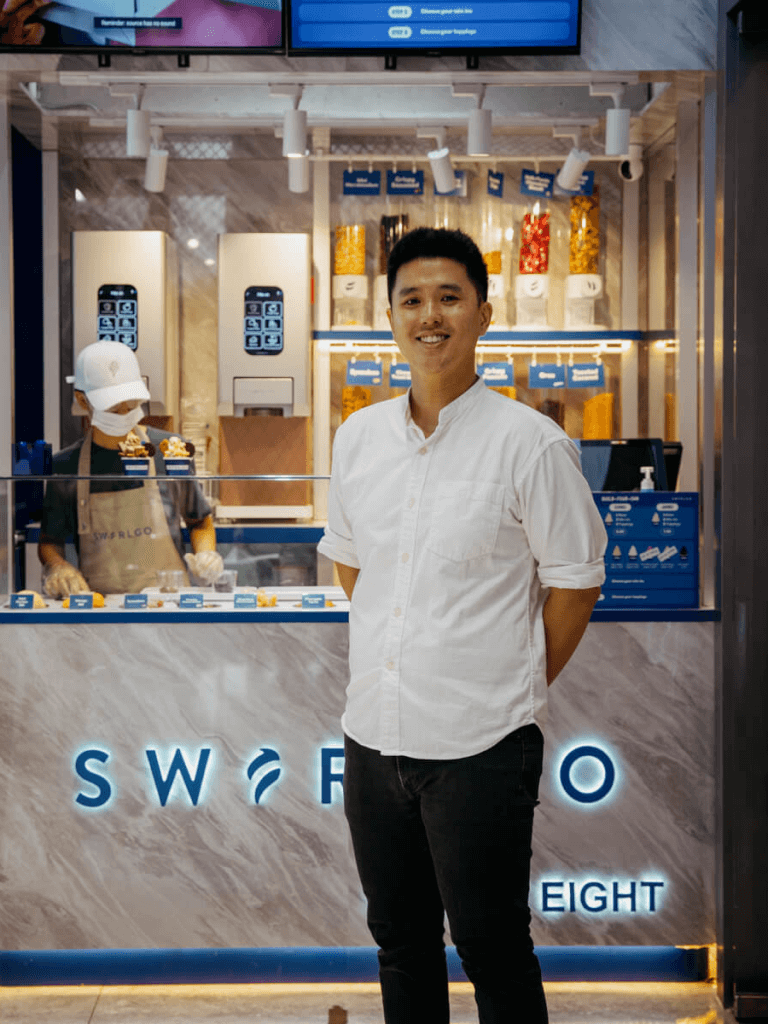
While still working full-time, Jeremy began developing Swirl.GO—a hardware platform he describes as “democratising desserts through capsules, like how Nespresso did it for coffee.” The concept was deceptively simple: create a machine that could transform frozen capsules into perfect soft-serve desserts.

But simple concepts often hide complex execution. “There was a lot more technical depth needed to invent something that could really convert something frozen into soft serve,” Jeremy explains. The existing solutions in the market were inadequate—industrial soft-serve machines that cost $10,000, required extensive maintenance, and offered only single flavours.

Photo: Ravin Thiruchelvam/HungryGoWhere

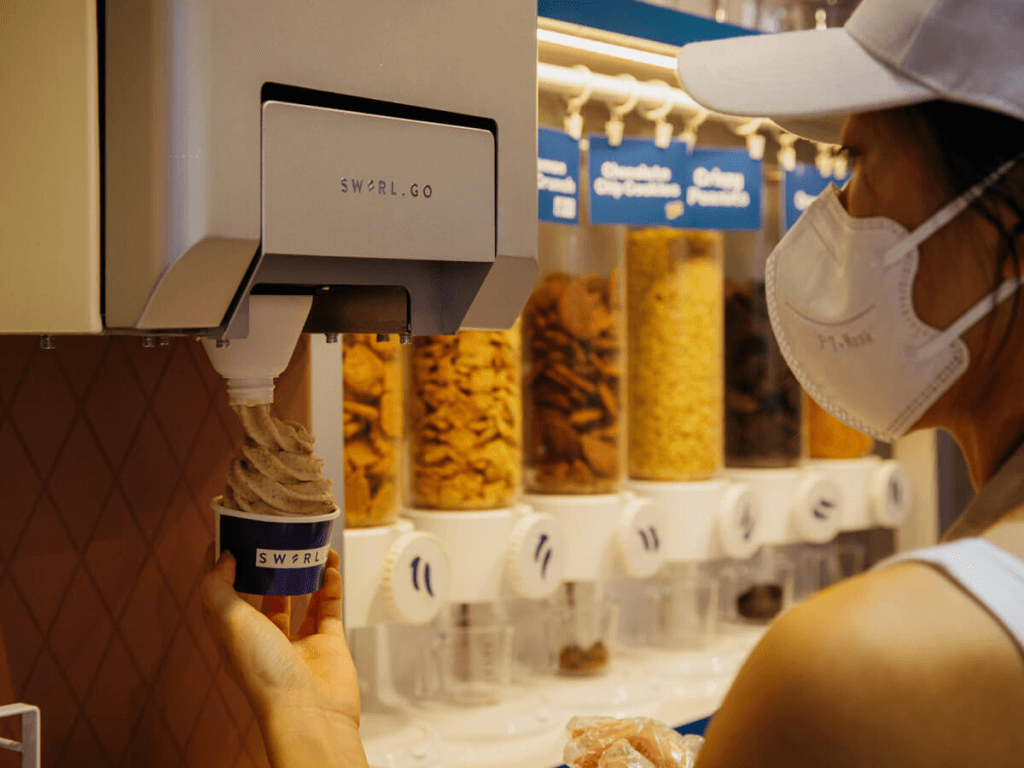
Jeremy’s vision was different. His machine would be fast, hygienic, and capable of creating hundreds of flavours and form factors—smoothies, milkshakes, different textures—all from capsules. The technical innovation was significant enough to earn patents in Europe and Japan, and the company successfully raised and deployed its machines in restaurants, offices, and hotels. From the outside, Swirl.GO looked like a startup success story in the making.

The Hard Truth About Hardware


But beneath the surface, fundamental challenges were emerging. “We realised it was really hard to turn a profit,” Jeremy admits. “You had a great product, but it was really challenging to extend the lifetime value of every customer.”

Photo: Ravin Thiruchelvam/HungryGoWhere

The core issue was usage frequency. While coffee drinkers might consume 1-2 cups daily, ice cream consumption was around 3 times per week. And for restaurants, the machines became more of a novelty promotion rather than a consistent revenue generator.


By late 2023, after a series of revenue challenges and the inability to achieve sustainable unit economics, Swirl.GO ceased operations. “We ran out of money and figured there was really no point to push further.”


From Ice Cream to Biomass


Instead of taking time to recover from the setback, Jeremy swiftly enrolled into ENGIE Factory to identify and apply his learnings on a new problem worth solving. And soon enough, he discovered the solution to a pain point with perfect “hair on fire” characteristics: biomass pellets for industrial energy needs.

The “hair on fire” concept, borrowed from Y Combinator, became Jeremy’s core guiding principle this time. “You want to sell to customers with their hair on fire because they’ll want a product they can immediately use, even if it’s imperfect.”


The Philippines presented the perfect storm of such an urgent need. As one of the world’s most coal-dependent countries, with expensive imported coal and mounting pressure to transition to cleaner alternatives, industrial customers were literally burning money daily. “Every single percentage point on pricing means the difference in their P&L,” Jeremy notes.


Engineering Solutions for Real Problems


This is where Jeremy’s second startup, Vertas, emerged to address this critical gap by producing built-to-spec biomass pellets engineered specifically for industrial boilers. Unlike generic biomass alternatives, Vertas develops unique blends that work seamlessly with existing equipment—no modifications required.

Vertas aggregated feedstocks through agriculture and livestock farms near client’s operations for cost efficiency and sustainability.


The proof is in the performance. Within five months of their partnership with KLT, a leading food processing company in the Philippines, the startup helped reduce their fuel costs by 17% while significantly lowering emissions at the same time. 


Today, Vertas has secured three multinational clients, including Universal Robina. The team also has an extensive pipeline of potential clients, all in the Philippines. The company has successfully closed multiple funding rounds and is evaluating expansion across Southeast Asia, targeting markets with similar coal dependency and infrastructure needs.


Jeremy’s Entrepreneur’s Playbook


For aspiring founders, Jeremy’s insights are deceptively simple: avoid lengthy R&D cycles without immediate sales validation, build strong complementary teams from day one (he built Swirl.GO alone, a hard lesson to learn), and ensure genuine “hair on fire” product-market fit where customers desperately need your solution immediately, even if imperfect.

Perhaps most importantly, Jeremy embodies a form of resilience that is rooted not in blind optimism but systematic problem-solving. “Giving up was never an option, even when SWIRLGO ran out of money multiple times,” he reflects. 

Seems like this is what we all need to pivot successfully: a persistence driven by endless curiosity and precise execution, beyond passion and domain expertise. If you are stuck at the crossroads, I hope you’ll find it soon enough.