You Might Have Gotten Some Cashback With This BLOCK71 Startup

You Might Have Gotten Some Cashback With This BLOCK71 Startup

01/09/2025

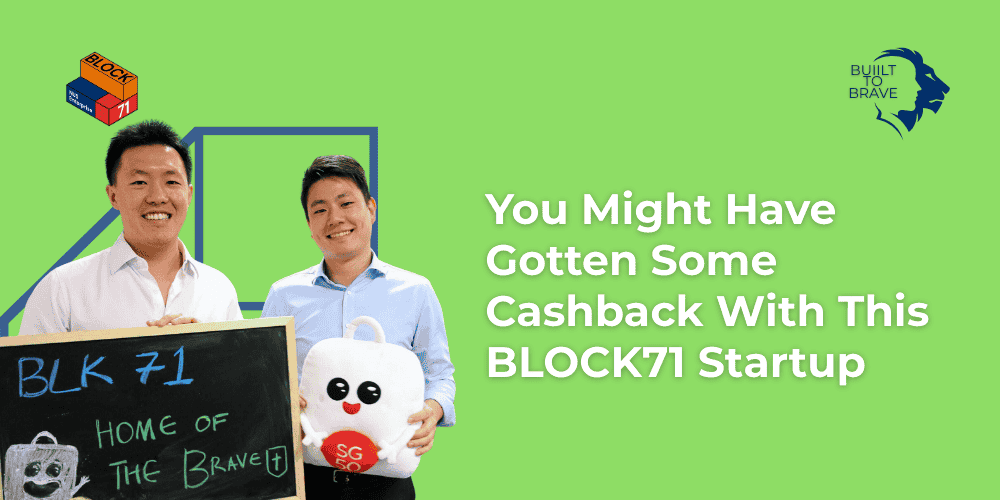
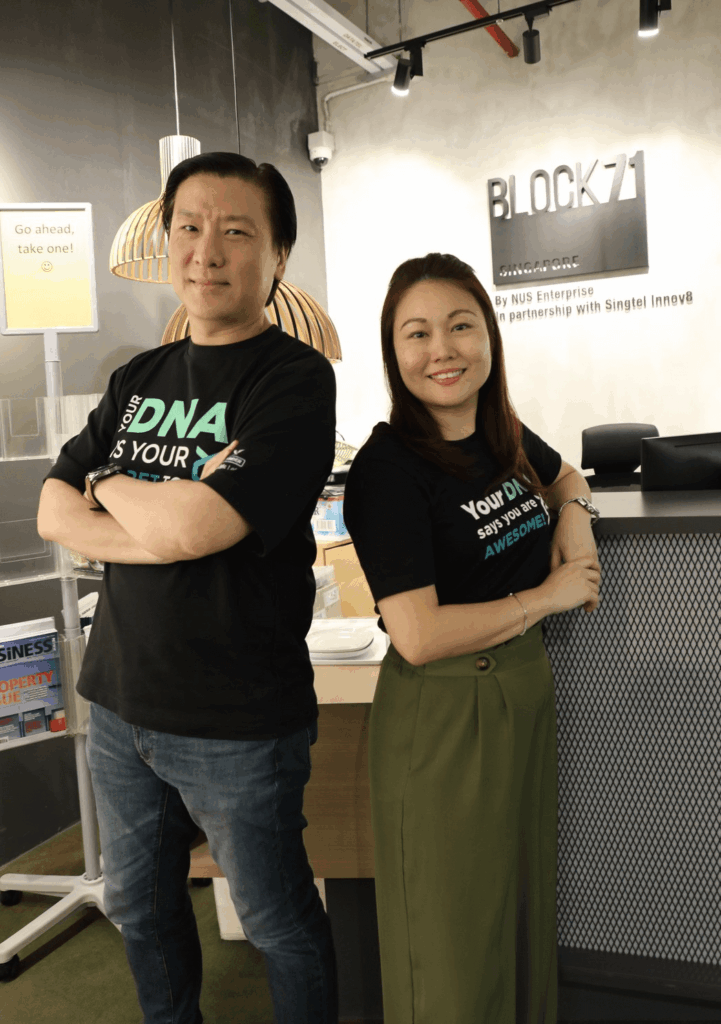
Henry Chan (left) and Joel Leong (right) the co-founders of ShopBack at BLOCK71.

ShopBack was launched in 2014 with a simple but powerful goal: to reward savvy shoppers for making smart decisions.


Inspired by successful cashback models from the US and UK, and drawing on their eCommerce experience in Zalora and SingPost, Henry Chan and Joel Leong saw a huge untapped opportunity in Southeast Asia.


However, educating potential users about the cashback concept proved to be a significant hurdle.
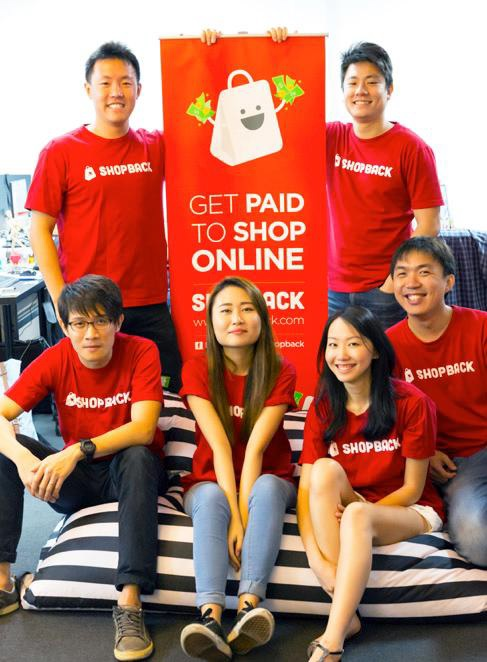
Founding team of ShopBack – (Clockwise from top left) Henry Chan, Joel Leong, Bryan Chua, Lai Shanru, Samantha Soh and Derrick Goh. Photo credit: ShopBack.

Cashback? What’s that?

During ShopBack’s early days, people’s scepticism about cashback was significant—the idea of earning cash while shopping didn’t come across as ‘natural’.


The founders worked hard to educate new users on the platform’s core proposition—earning back a percentage of the purchase as cashback, which can either be transferred to their bank account or accumulated to offset future purchases.


Despite such efforts, resistance remained strong. 


Many discouraged the founding team from pursuing the concept. Once, a grant application was criticised for being not innovative enough.

But they didn’t give up.

The founders were constantly on the road pitching to brand merchants and investors, while fielding large volumes of enquiries, oftentimes till as late as 2 a.m.


It didn’t take long before their grit caught the attention of investors, who were convinced by their tenacity and soon offered the first wave of investments to take ShopBack to the next level.


In April 2014, ShopBack raised US$500k in seed funding from Accel-X and other investors—even before the platform was officially launched. A further US$600k round was raised in March 2015, from Accel-X and East Ventures, offering a strong validation of the cashback model’s potential.

Revolutionising Online Shopping

Since then, ShopBack has experienced incredible growth, proving that persistence truly pays off.


With a strategic blend of mobile-first innovation and being firmly attuned to local nuances, ShopBack has today become Asia-Pacific’s leading shopping, rewards, and payments platform.


The company serves over 45 million shoppers across 12 markets with more than half a million transactions daily; over US$4 billion in annual sales through its network of over 20,000 online and in-store partners.

ShopBack Pay QR code at retail store to earn cashback. Photo credit: ShopBack

Like many entrepreneurs, Henry and Joel faced numerous setbacks along the way—challenges that tested their resolve and forced them to make difficult decisions.


Yet through perseverance, innovation, and a relentless focus on their customers, they’ve turned challenges into opportunities and created lasting impact for shoppers.

Feeling inspired?

Get started with your startup idea at our networking events. Learn from experienced founders, reduce rookie mistakes and who knows, you might just find yourself incubating with us!
This BLOCK71 Startup Raised US$750K As It Improves Clients’ Product Yield By 40%

This BLOCK71 Startup Raised US$750K As It Improves Clients' Product Yield By 40%

30/09/2025

Suwira Teo, CEO and Co-founder of Aleph Technologies.

If you hold the key to solve an industry-wide problem and know that using it would bring immense benefits BUT also challenges, would you still pursue the path to replace the old ways of doing things?


That was the reality Suwira Teo faced when he was a consultant in the manufacturing industry.He saw firsthand how inefficiencies in industrial processes led to excessive energy consumption, high costs, and wasted potential. 


Engineers in industries like chemicals and pharmaceuticals relied on complex analytics and millions of data points, yet their manual trial-and-error methods only yielded marginal efficiency gains.


Despite the expected roadblocks, Suwira was still determined to revolutionise manufacturing processes and went ahead to co-found Aleph Technologies with Sushant Garud and Iftekhar Karimi in Singapore in 2023.


The Pivotal Point: From Challenge to Breakthrough

Admond’s path from data scientist to entrepreneur led him to build two startups: Staq (fintech) and Chatted AI (productivity).


Whilst Staq faltered, Chatted AI was acquired. This blend of triumph and setback fuels Admond’s unique perspective.


He now combines first hand experience with in-depth case studies of failed startups, empowering founders to build robust foundations and avoid costly missteps like poor risk management, leadership fumbles, or misaligned product-market fit.

Learning from his own failures

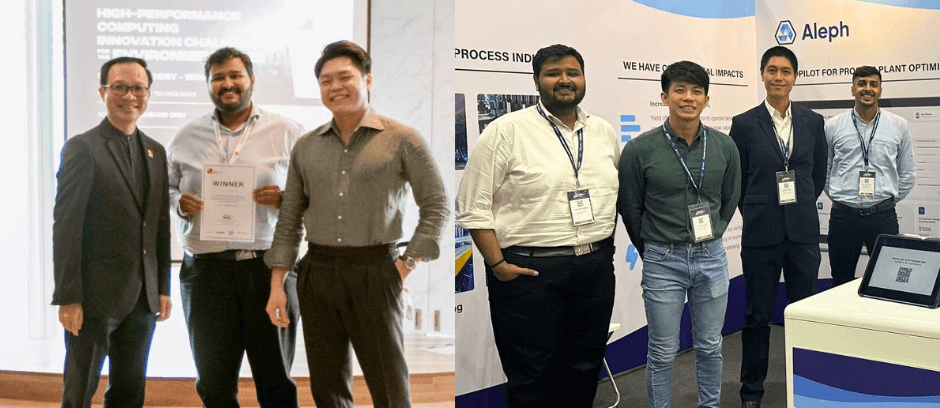
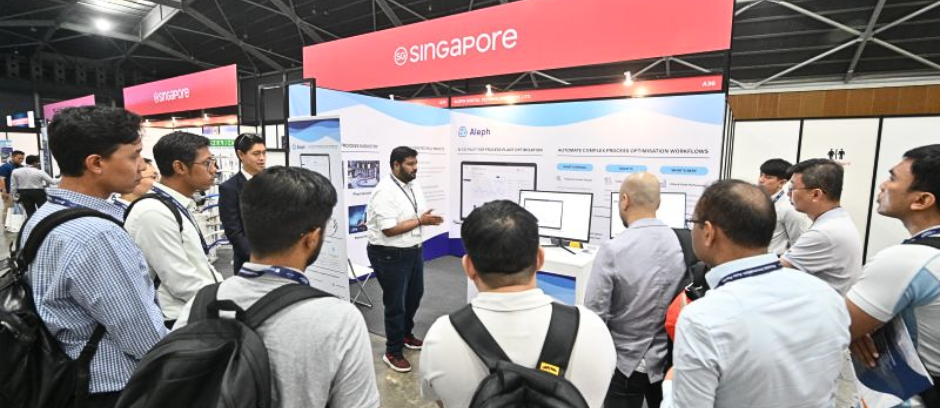
Sushant Garud, co-founder of Aleph Technologies, showcased its proprietary Aleph AI Co-Pilot™ at Process Innovation Asia Pacific Powered by ACHEMA (PIA) Conference 2024. Photo credit: Aleph Technologies.

The roadblocks soon came in many forms: fundraising, technological limitations and the sheer work of convincing industrial giants to trust AI-driven solutions all became instant uphill battles to navigate. 


The founders nearly fell off the cliff at one point as they considered pursuing a customer segment that didn’t have the right product market fit.


Fortunately, Suriwa and the gang retained a superpower: they listened intently to what customers said


Doing so enabled them to create Aleph AI Co-Pilot™, a groundbreaking solution that eliminates manual inefficiencies, optimises manufacturing operations, and empowers engineers to make data-driven decisions.


It was such a much-needed solution that clients quickly enjoyed immense impact, including: 


  • Achieving up to a 40% improvement in energy efficiency, leading to substantial cost savings.

  • Deployments have resulted in annual savings exceeding USD 1.2 million across four projects.

  • Clients have reported up to a 40% enhancement in yield and product quality.

US$750K Investment to Scale Innovation

Photos credit: Aleph Technologies.

Their business acumen paid off. Aleph Technologies recently secured US$750K in a seed round led by Cocoon Capital and Graiden Gorge Investments. 


With this funding, they are now scaling Aleph AI Co-Pilot™ across Asia and Middle East, helping manufacturers significantly optimise operations to reduce energy costs and boost output quality.


The Door Has Opened To Build Something As Impactful As Aleph


Suwira’s journey started with a vision, and it took the right ecosystem, mentorship, and support to bring it to life. 


If you’re a startup founder with an idea that could transform industries, BLOCK71 is where you can turn vision into reality.

This BLOCK71 startup just raised US$550k to help you unlock your DNA’s superpower

This BLOCK71 startup just raised US$550k to help you unlock your DNA’s superpower

15/07/2025

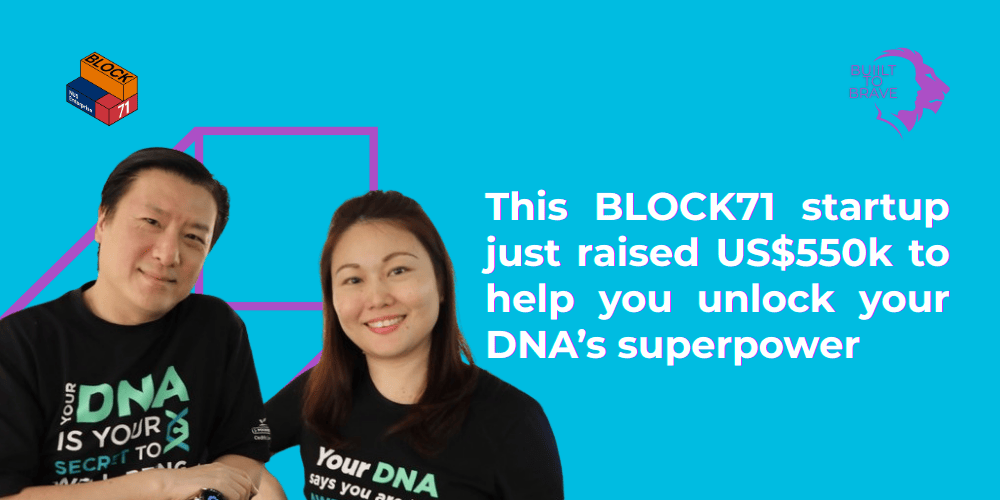
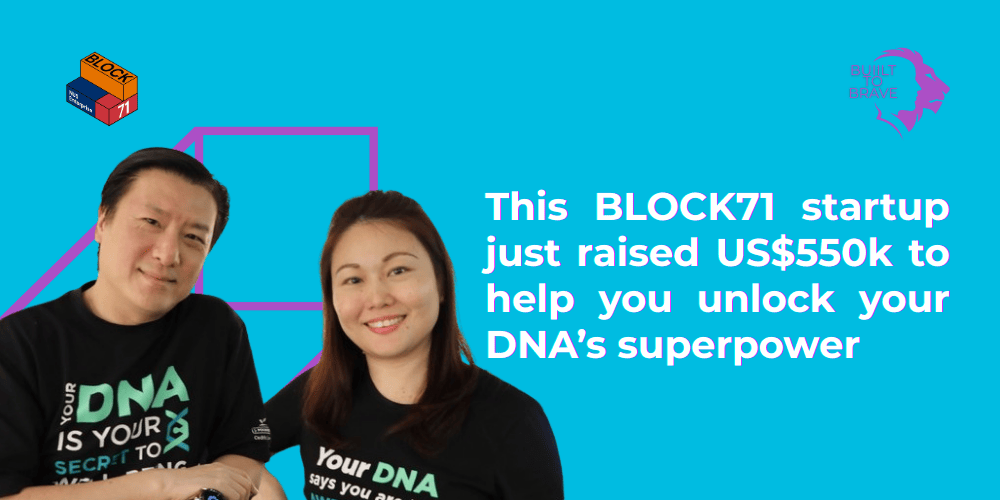
Co-founders of ConnectingDNA – Cedric Lee (Left) and Choo Ee Ting (Right).

Dear friend of BLOCK71,

Our genes literally decide our biological destiny.


But what if we can somehow change that for the better with the right actions?


Sounds like data driven fortune-telling, isn’t it? But that is what Cedric Lee and Choo Ee Ting believe they can do for you.


Lee and Choo co-founded ConnectingDNA to pioneer an innovative platform that serves as a “digital bridge” between our genetic profiles and lifestyle choices.

Photo credit: newinasia.com

Through a combination of genetic analysis and lifestyle habits tracking, ConnectingDNA creates personalised wellness roadmaps tailored to each person’s unique genetic profile.


This scientific approach allows users to make proactive decisions in areas like nutrition, exercise, sleep, stress management and many other health matters, aligning these choices to their natural predispositions.


The result: a more optimised and well-rounded you, and when that happens, you can pursue more opportunities in life.

But as with all startups, this solution didn’t come easy at all.


Raising Funds During A Recession: The Hard-Learnt Lessons


Cedric and Ee Ting, who were both in the pharmaceutical industry, were confident that their domain expertise and ConnectingDNA’s unique concept would attract funding with ease.


They had never been so wrong. 


The 18 months quickly humbled them as the pandemic induced funding winter made investors very cautious.


By early 2022, their initial resources had dried up, leaving them at a crossroads with families to support and a MVP that wasn’t yet generating revenue.


Then, an unexpected opportunity arose through BLOCK71 x Microsoft Gen AI programme.


With the advanced tools and mentorship provided, the founders transformed their platform to create new value that people actually want, which then sparked the revenue stream they desperately needed.


This pivotal moment transformed ConnectingDNA’s trajectory.


In fact, Cedric and Ee Ting are in Silicon Valley right now making connections, facilitated by our BLOCK71 Silicon Valley office.

Unlock Your Path To Longevity With ConnectingDNA

Each of us is born with unique biological traits that offer insights into how we can best fulfil our life’s purpose. They say health is wealth and that’s really true.

ConnectingDNA has been receiving raving testimonials from users who have experienced life-changing benefits and greatly improved wellness through their insights.


With the recent US$550K raised, Cedric and Ee Ting is just getting started to supercharge their platform to help more people unlock their DNA superpower.


Get ahead of the queue and join the waitlist for an all-new version of their platform here.

This 2-Time Founder Saw Surprising Success by Focusing on Failures

This BLOCK71 startup just raised US$550k to help you unlock your DNA’s superpower

15/07/2025

Admond Lee, founder of The Runway Ventures, guides aspiring entrepreneurs to avoid common pitfalls by sharing insights from startup failures.

Have you ever poured your heart into a project, only to see it falter?


When faced with failure, do you start anew, pivot, or throw in the towel?


Our community partner, Admond Lee, believes in perseverance—with a smart twist.


As the mind behind The Runway Ventures newsletter, Admond is making waves in the Asian startup scene.


His insights are helping founders like you sidestep the pitfalls that have sunk many other startups.

From Data to Startups: Admond’s Journey

Admond’s path from data scientist to entrepreneur led him to build two startups: Staq (fintech) and Chatted AI (productivity).


Whilst Staq faltered, Chatted AI was acquired. This blend of triumph and setback fuels Admond’s unique perspective.


He now combines first hand experience with in-depth case studies of failed startups, empowering founders to build robust foundations and avoid costly missteps like poor risk management, leadership fumbles, or misaligned product-market fit.

Learning from his own failures

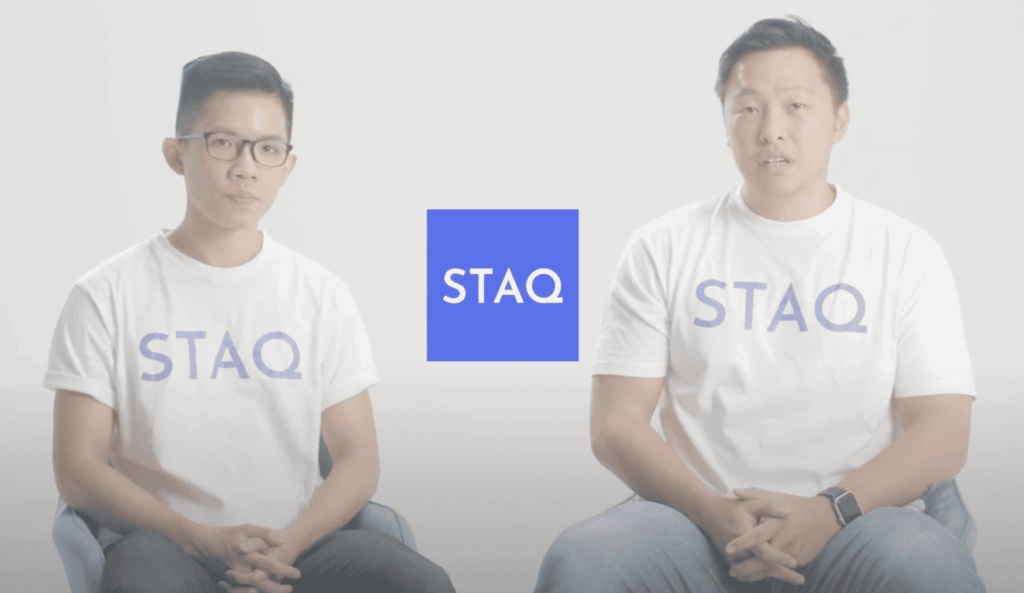
Admond Lee (CTO) and Frederick Sia (CEO), co-founders of Staq — a fintech startup providing universal API to access financial data for SMEs in Southeast Asia. Image credit: Entrepreneur First.

Admond’s transparency about his own setbacks sets him apart.


Reflecting on Staq’s closure, he highlights a critical balance many early-stage startups overlook: innovation vs practicality. 


Two key factors led to Staq‘s downfall:

  1. Founder-Market Mismatch
    Admond and his co-founder lacked the sector-specific expertise and network crucial for success in finance. This disconnect hampered their ability to create a truly fitting product.

  2. Overlooking Localisation
    By focusing too heavily on replicating a UK solution without adapting to Southeast Asian SMEs’ unique needs, Staq struggled to gain traction in its target market.

Facing these challenges, Admond made the tough but necessary call to shut down Staq with only two months of runway left—a decision that likely saved resources and heartache in the long run.

Fuelling startup success with failures

BLOCK71 recently hosted ‘Startups Fxckups’ with Admond and his newsletter subscribers.

Admond’s struggles have shaped his mission: to foster a vibrant community where founders and aspiring entrepreneurs share hard-earned wisdom, hoping to prevent others from repeating costly mistakes.


With 50K LinkedIn followers and over 5.6K newsletter subscribers, Admond’s community is thriving.


In fact, it’s been growing so much that people have been asking for an in-person gathering, which was why BLOCK71 recently had the pleasure of hosting The Runway Ventures‘ inaugural offline paid event.


Over beer and pizza, we dived deep into painful mistakes and left with valuable insights on pivoting, refocusing on core fundamentals, and transforming failure into triumph.

Let startup history guide you

Thinking of or already building something? You’ll need a community to have your back.


Join Admond to learn from others’ missteps and increase your chances of succeeding!

 

➡️ Follow Admond on LinkedIn

➡️ Subscribe to The Runway Ventures

How This Duo Won $1M by Redesigning Education With Chopsticks

How This Duo Won $1M by Redesigning Education With Chopsticks

30/09/2025

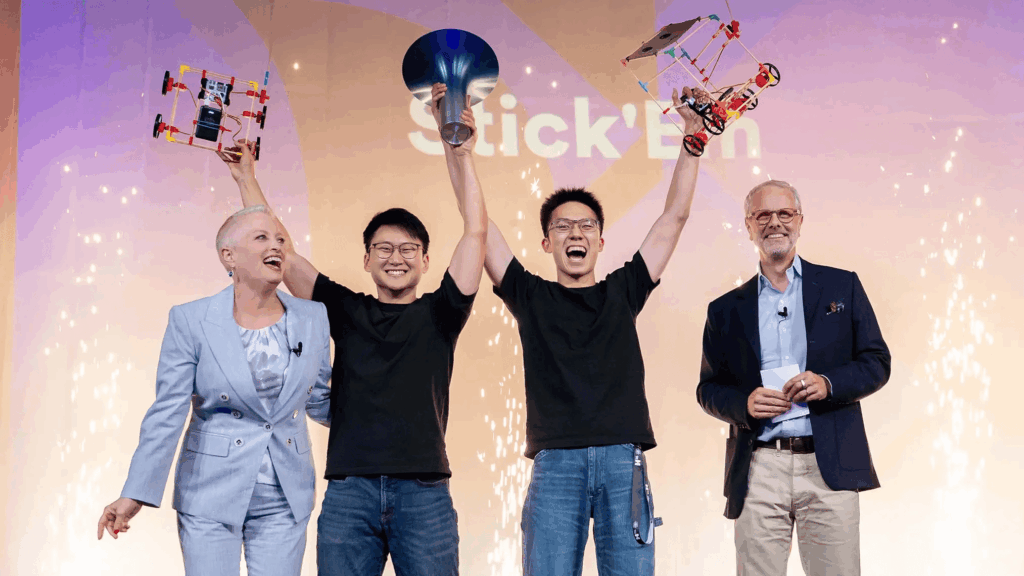
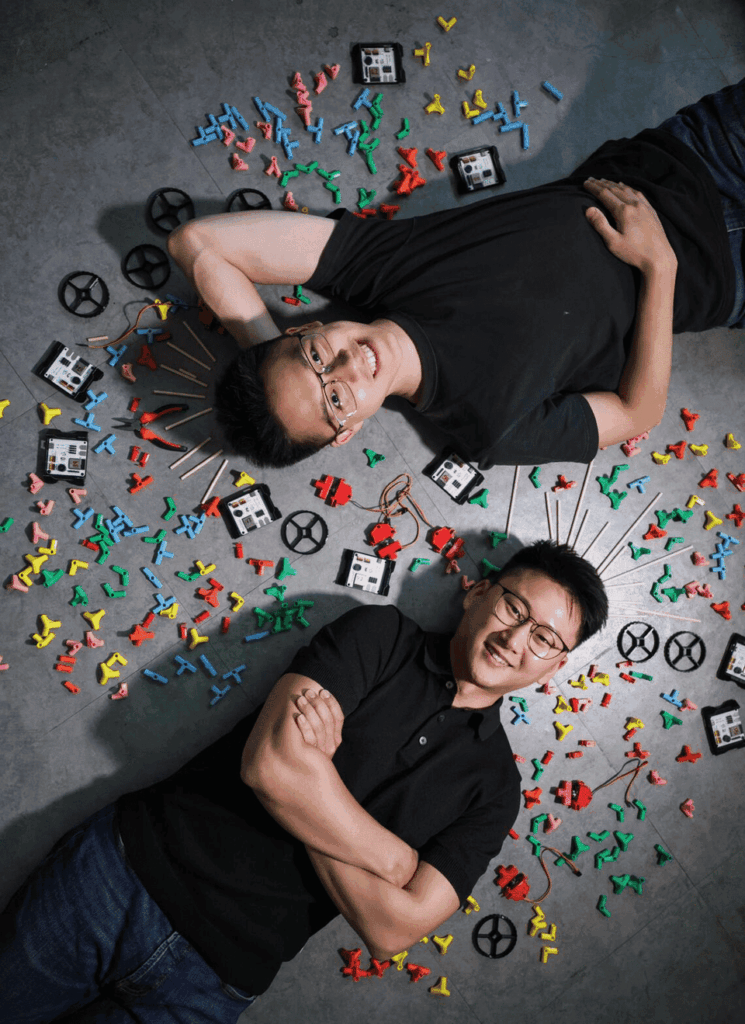
Hey there. What if the “side project” your friends shrugged off just won $1 million for changing the world? That’s exactly what happened to Chong Ing Kai and Adam Huh Dam – two Singaporean robotics geeks who came together to solve a global challenge in education access. Their BLOCK71 startup, Stick ‘Em, just took home the top prize at the 2025 Hult Prize.

Image credit: Hult Prize Foundation

A Problem They Couldn’t Ignore

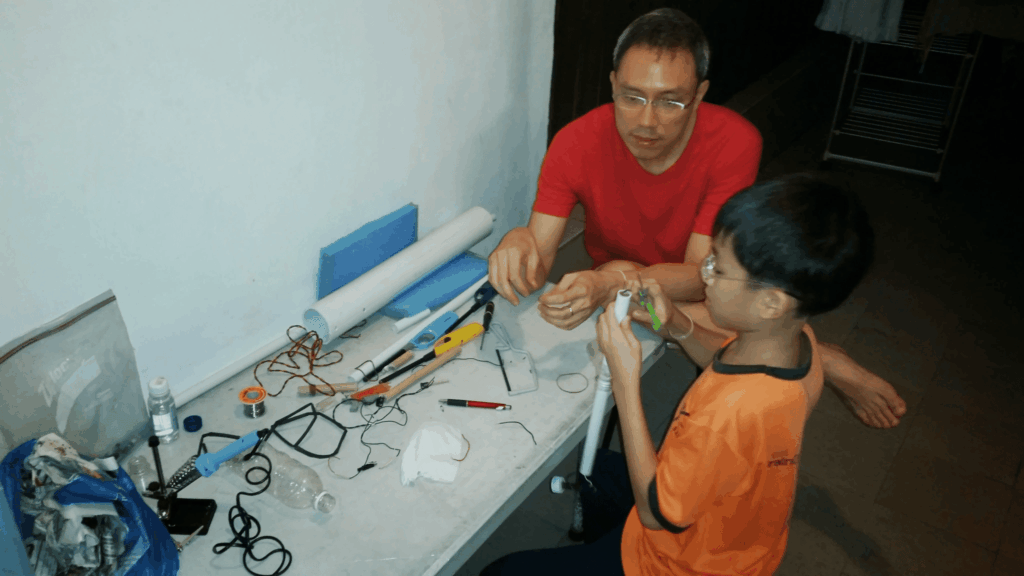
Ing Kai’s path to Stick ‘Em started with building “silly, dangerous stuff” – air cannons, flamethrowers, tasers. But after working with Engineering Good, a non-profit pairing innovators with the vulnerable community, his focus shifted to building things that can actually help humanity. Through this, Ing Kai discovered two brutal truths:

When Ing Kai was young. Image credit: Stick 'Em

First: Quality STEAM education was locked behind a paywall only families with resources can unlock.


Second: Even children who can access these classes aren’t really learning. Many have been copying code, replicating existing robots, and treating competitions as resume-building exercises rather than genuine skill development.


“Some coaches even build the robots for their students,” Adam revealed, “so they can win competitions and put it on their CVs. It completely defeats the purpose.”

Small Teams Can Change the World Too

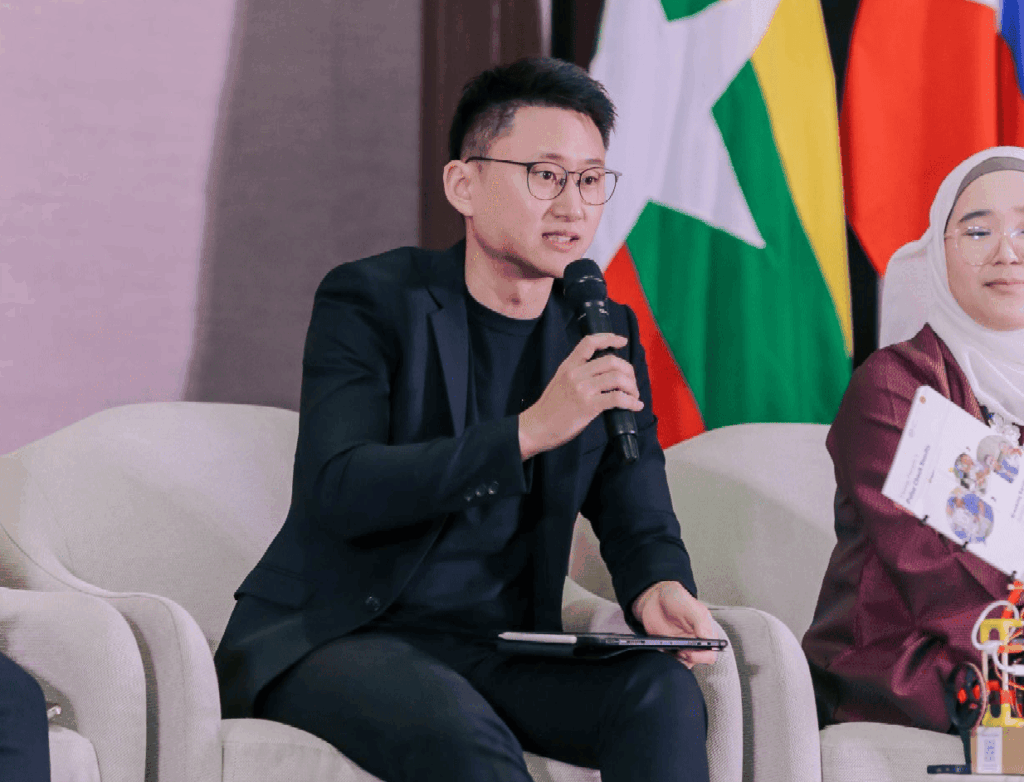
Image credit: Adam Huh Dam

Adam’s trajectory shifted during an unexpected internship at a venture capital firm. After years of representing Singapore in robotics competitions and dreaming of becoming an engineer at Boston Dynamics, he had a realisation: “I presumed only giant companies like Facebook or Google could change the world. But after seeing startups of 2-3 people working towards that too, I thought it might actually be possible for me to do the same.”


When he saw Ing Kai’s early and affordable robotics prototypes on Instagram, Adam reached out to collaborate and everything simply aligned. Both realised they share a core belief: “People should exist to help bring humanity a step forward.”

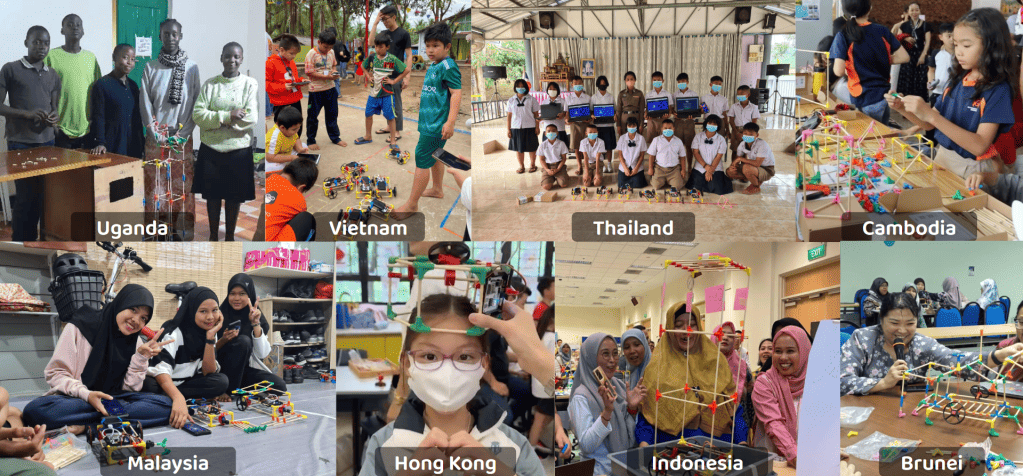
Image credit: Stick ‘Em

This belief gave birth to Stick ‘Em on 16 September 2020. Using chopsticks, geometric connectors, and plug & play electronics, the approach is elegantly simple: low-cost, accessible STEAM learning materials that force genuine problem-solving. Unlike traditional competitions where students anticipate and prepare, Stick ‘Em’s challenges require on-the-spot thinking. Students can’t rehearse solutions – they have to discover them in real-time.


The result: real skill development instead of performative learning.

 Not Just A Side Hustle

For five years, Kai and Adam barely met in person to work – everything happened through remote calls and decentralised collaboration. Some people in their social circles still view Stick ‘Em as a “side project” rather than an actual company.


But that’s a misunderstanding. Stick ‘Em isn’t something just for spare time. Neither is it a charity play.


“Our goal isn’t to make this a billion-dollar company,” Adam explained. “We exist to bring quality STEAM education to as many children as possible while building a sustainable business around it.”

Image credit: Stick ‘Em

They operate as a for-profit social enterprise – selling to schools with a functioning business model, but optimising for impact rather than maximum profit. Manufacturing and assembly happen at their SUTD space, while BLOCK71 serves as a collaboration hub connecting them to peers and potential stakeholders.


The most common feedback they hear: “You won’t make big money from this, but you’ll be very impactful.”


Their response: “That’s exactly the point.”

Earning Global Credibility

Doubters keep these founders sharp as the skepticism consistently puts them in touch with the brutal reality that most startups fail. Being acutely aware of that makes the duo understand the need to build something that lasts. And winning the Hult Prize has delivered two critical assets beyond the $1 million:


Credibility: An international stage with distinguished judges giving them legitimacy that’s nearly impossible to achieve otherwise. Schools now see them as “the startup that won the Hult Prize” rather than “some random startup.”


Visibility: Their biggest limiting factor has been awareness—not product-market fit. “Even though we’re solving a very big problem, if people don’t know a solution exists, they won’t buy,” Adam noted. Post-Hult, they’re fielding calls from around the world.

Image credit: Gin Tay @ The Straits Time.

As they scale with their Hult Prize funding, Ing Kai and Adam are proving a thesis that more founders should embrace: social enterprises can be the norm, not the exception. You don’t have to choose between impact and sustainability – you can build a business model around both.


And with chopsticks, connectors, and a commitment to genuine learning, that’s exactly what Stick ‘Em is doing.


Is that what you’re doing too?


With lots of luck, 

Judson Teo
Head of Marketing, BLOCK71


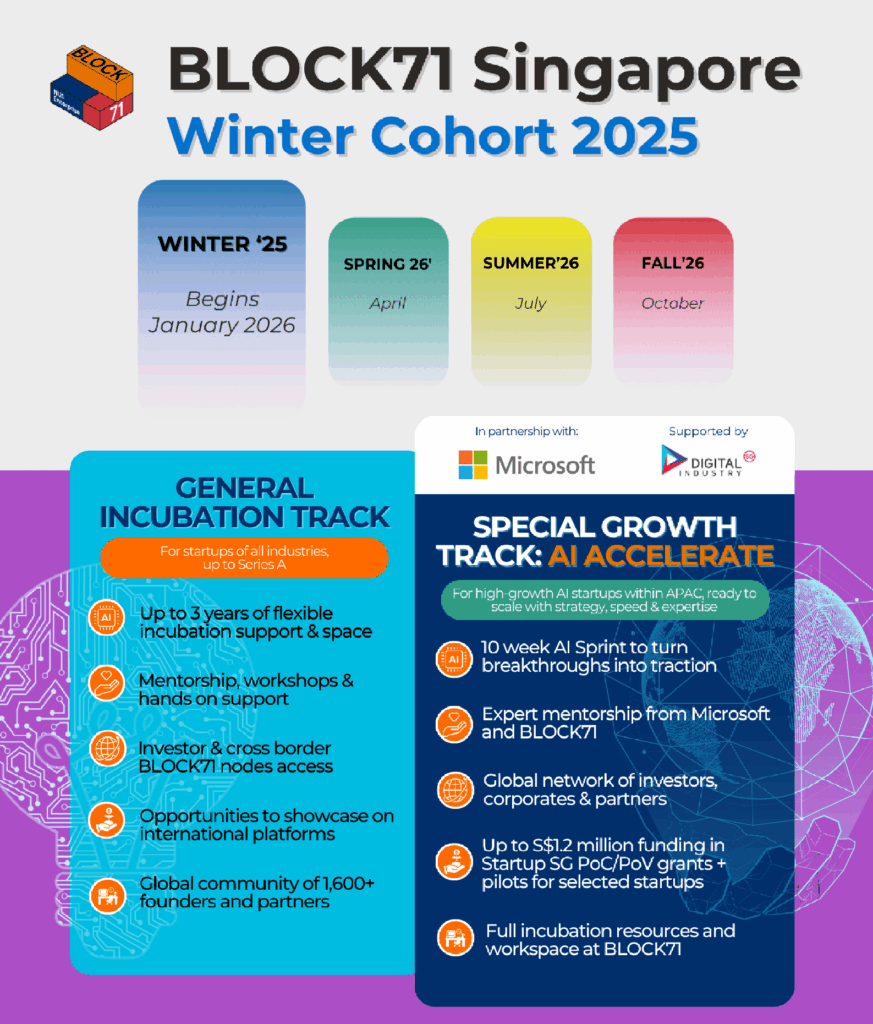
BLOCK71 Singapore is proud to have supported Adam and Ing Kai on their journey. If you too are building something to make the world a better place, we welcome you to be part of our upcoming Winter Cohort.

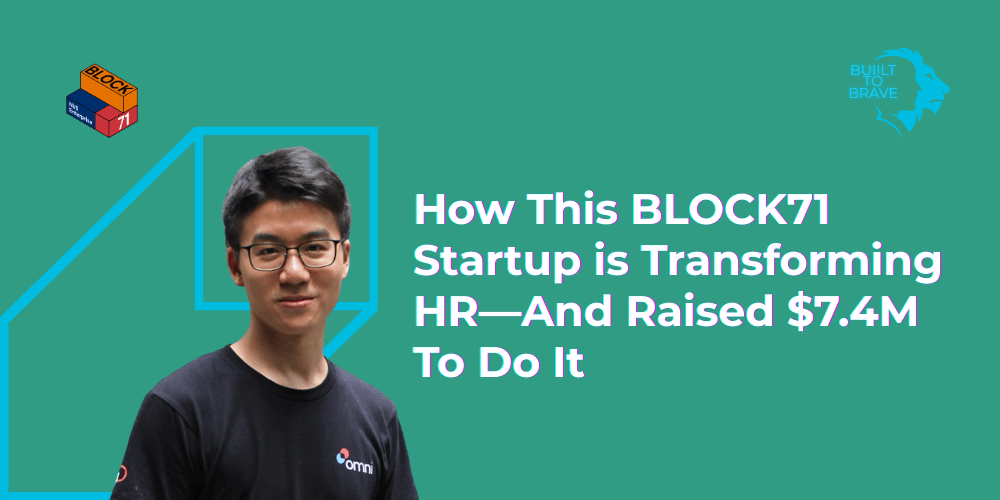
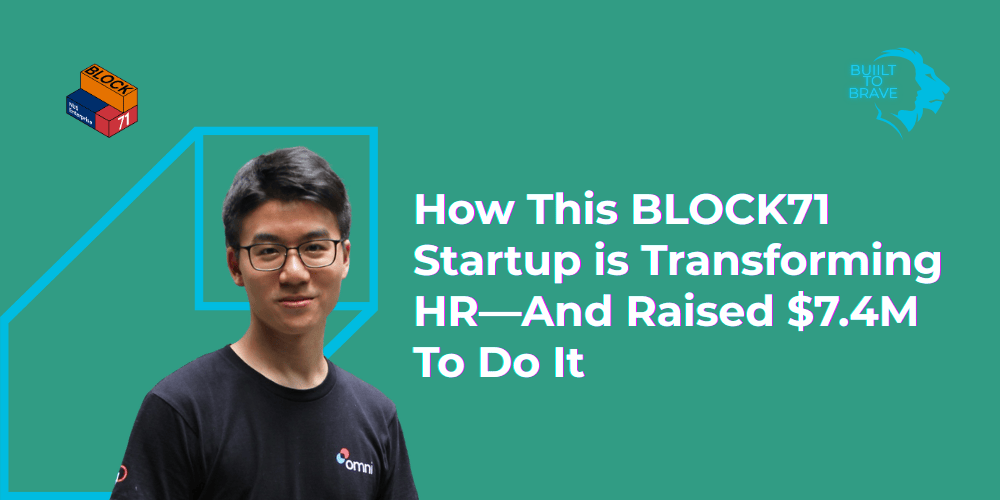
How This BLOCK71 Startup Is Transforming HR—And Raised $7.4M to Do It

How This BLOCK71 Startup Is Transforming HR—And Raised $7.4M to Do It

15/07/2025

Dear friend of BLOCK71,


Picture this: A HR management system that eliminates tedious manual work, letting your team focus on what truly matters—your people.


Enter Omni HR.


When former Goldman Sachs executive Brian Ip and seasoned data engineer YC Chan founded Omni HR in 2021, they had one goal: create a platform that understands Asia’s multicultural nuances and local payroll practices, something which global alternatives don’t fully address.

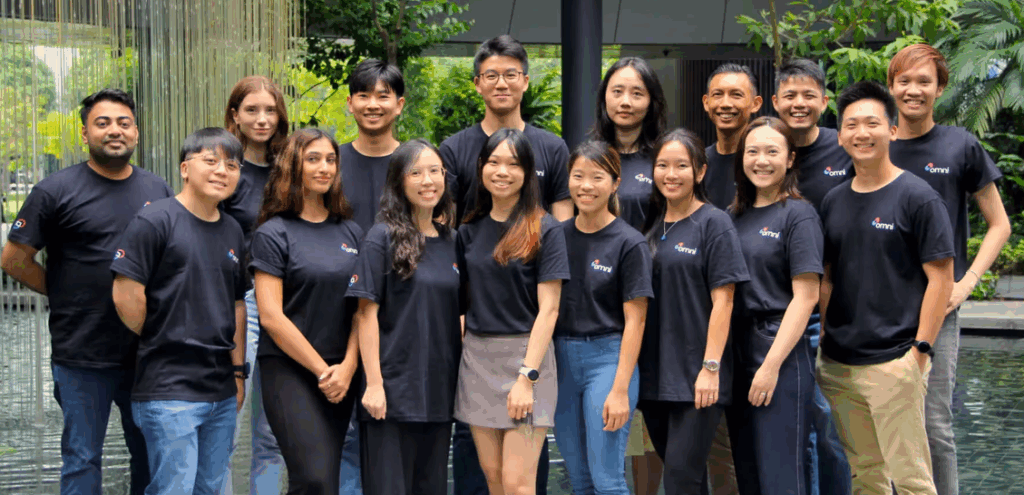
Omni HR is powered by experienced HR professionals and passionate technologists. Photo credit: Omni HR.

Their solution: A digital platform that automates the entire employee lifecycle, empowering companies to thrive in today’s remote and mobile-first world. Brian had witnessed firsthand how outdated HR systems and basic administrative tools were crippling teams, especially as workplaces became increasingly borderless.


Today, Omni HR serves hundreds of organisations across 79 countries and in December 2024, armed with $7.4 million in fresh funding, the team is more than ready to double-down on their commitment in making HR management truly seamless all across Asia.


“It Is Impossible To Build A HR SaaS For Asia”, Skeptics Declared.

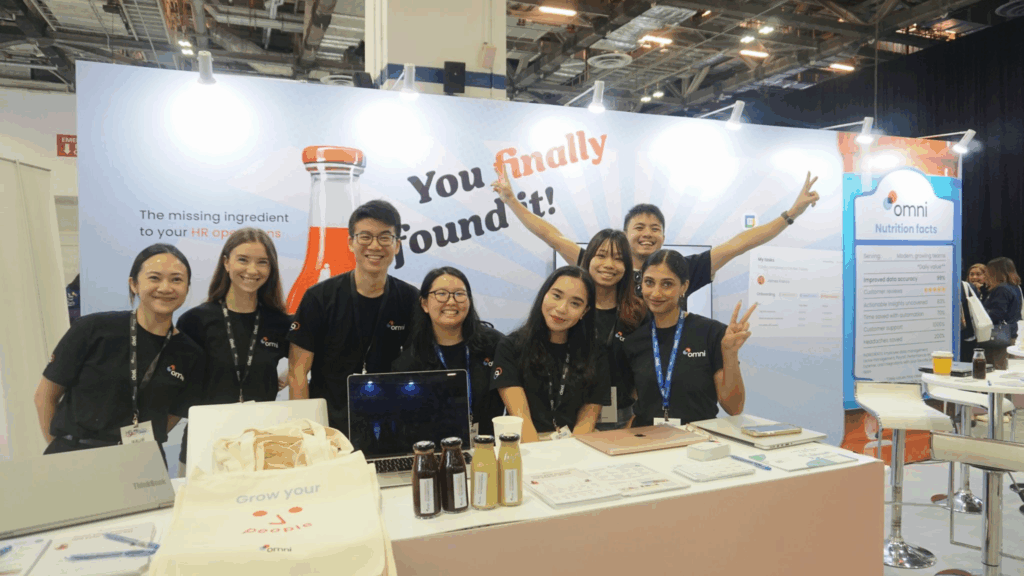
Brian Ip and his team with their “HR Secret Sauce” concept booth at HR Tech Fest Asia 2024. Photo credit: Brian Ip.

But as with all success stories, skeptics were scattered like guard posts along an unmarked border – challenging every step into new territory.


Asia’s complex HR landscape seemed too daunting for a startup to tackle. Each country’s distinct employment laws demanded meticulous localisation, while businesses remained hesitant to abandon their familiar yet outdated systems.


Despite this, Brian and YC saw opportunity when others saw obstacles. And the pandemic brought about the very tailwind they needed.


The Rise of Remote Work Created The Rise of Omni HR

As work-from-home exploded and cross-border employment became the norm, companies desperately needed a solution that could navigate Asia’s regulatory maze. Enter Omni HR’s all-in-one platform, filling gaps that global HRIS solutions often missed.


Investors backed their bold vision to become “The Operating System for HR” across Asia. Why? Because beyond technology, Omni HR’s true value is in enabling companies to scale by focusing on talent instead of paperwork.


Brian and YC’s journey proved that true entrepreneurship requires equal parts of innovation, grit and timing. Their journey is a classic example of showing what’s possible when you go all in on your vision and we are just glad that we could be part of that journey!


Ready to write your own success story? Incubate with us at BLOCK71 today.

The Current: A New BLOCK71 Newsletter

The Current: A New BLOCK71 Newsletter

18/08/2025

BLOCK71 now has two homes in Japan!

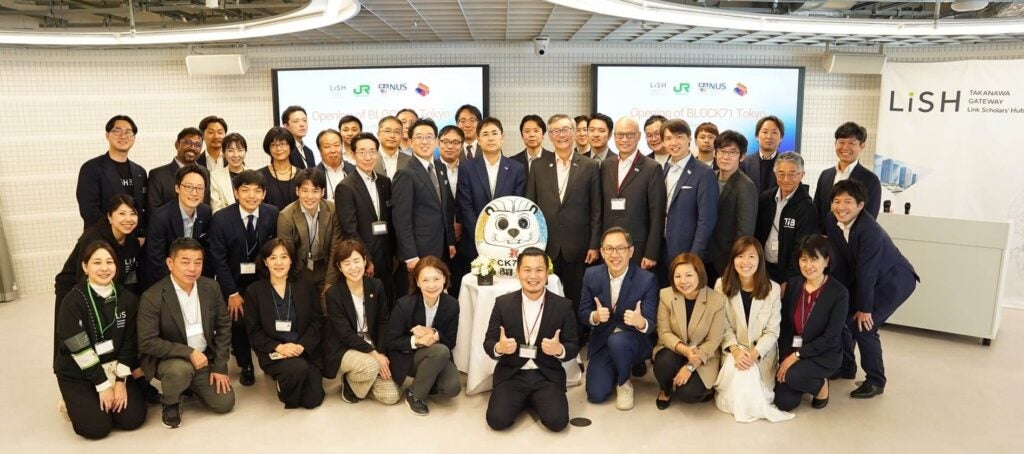
Located at the newly built TAKANAWA GATEWAY CITY, BLOCK71 Tokyo brings together Japanese partners from the local government, corporations, venture capital firms and universities to strengthen innovation ties between Singapore and Japan.


Following the opening of BLOCK71 Nagoya last year, we’ve recently launched our second outpost in Tokyo. This marks a significant step in deepening our global support for startups by connecting innovation hubs in Southeast Asia to East Asia.


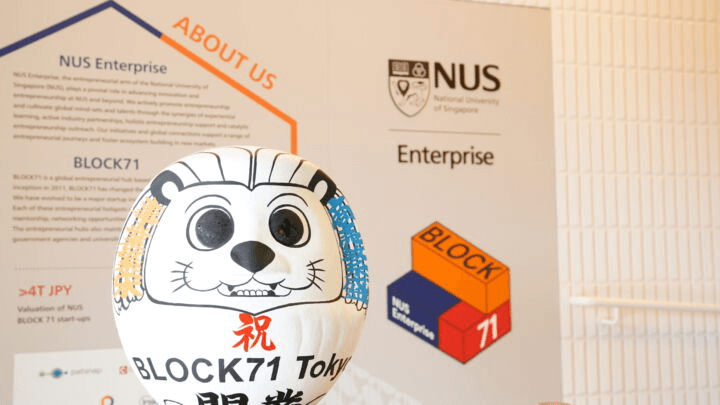
Hand-painted by a Japanese artist, the Daruma doll blends elements of Singapore’s mascot, the Merlion, to symbolise the strong collaboration between Singapore and Japan.


With the new Tokyo hub strategically located at TAKANAWA GATEWAY CITY, an emerging smart city powered by JR East, BLOCK71 Tokyo will support Southeast Asian startups looking to expand into Japan by tapping into strategic R&D, funding, and market access. We will also support Japanese startups expanding into Southeast Asia with Singapore as the gateway.


What this means for founders looking to expand

Caleb Khoo
CEO & Co-Founder
SalesHero

I worked from BLOCK71 Nagoya for a month and it was an amazing experience. The workspace at Station AI had a great air of collaboration and being immersed in that vibe was really motivating for me. I was also introduced to several local contacts for my business, and the key highlight was attending a meetup organised by SoftBank.


Which city you go to depends on your startup’s focus. If you are in advanced manufacturing, robotics or foodtech, Nagoya is for you. But if you are in fintech, blockchain/web3 or AI, then BLOCK71 Tokyo is perfect. Or you can always explore both offices since they are less than 2 hours apart by Shinkansen!


AI Engineer in Your Pocket? Lovable’s €14M+ Round Highlights a Development Revolution

AI platform Lovable is turning heads after closing a ~€14.3M (USD 15.7M) pre-Series A round led by Creandum (early Spotify backers) in late February. This Stockholm-based startup aims to be an “AI full-stack engineer,” empowering users to build websites, apps, and dashboards rapidly, even without deep coding skills.


For early-stage founders, especially those bootstrapping, the $17M ARR Lovable promises significant benefits: drastically reduced development costs, faster MVP launches, and the ability for non-technical founders to build directly.


It’s also a boon for indie hackers and experimental builders. The platform enables ultra-fast prototyping, makes solo full-stack development feasible, and lowers the barrier for launching multiple side projects or niche tools affordably.

Jonathan Low
CEO & Co-Founder
Zapi

Tools like Lovable can supercharge prototyping and reduce required time by about 80%. It’s certainly transformative and my startup is part of this shift too – we started with a focus on content sites but recently added backend capabilities so our users can build full apps.


But I’d caution that it’s still early days for this technology. A major limitation is that as projects and codebases increase in complexity, the AI’s effectiveness and accuracy tend to decrease.


This means while these tools are fantastic for lowering the barrier to entry and speeding up those initial builds, skilled developer intervention often becomes necessary for more sophisticated features, scaling, or refining larger applications.


Human expertise definitely remains crucial beyond that initial stage.


Navigating the AI HealthTech Maze: EU Rules Take Shape


As AI rapidly integrates into healthcare, regulators worldwide are intensifying efforts to ensure patient safety, accuracy, and reliability.


EU AI Act: High Bar for High Risk


The EU’s comprehensive AI Act is a game-changer. It classifies most AI systems used in healthcare as “high-risk.” Startups targeting the EU market must prepare for strict obligations phased in through August 2026. Key requirements include:


  • Transparency and explainability of AI models

  • High standards for data quality to minimise bias and errors such as hallucinations

  • Robust testing, documentation, and post-market monitoring


EU AI Act: High Bar for High Risk

Dr Nelson Lau
CEO & Founder
HealthBridge AI


Regulators stepping in is a necessary shift to ensure innovation doesn’t outpace responsibility. For those of us building clinical tools, we cannot move fast and break things — because that’ll harm the patients.


Regulation isn’t a roadblock — it’s a blueprint for building the trusted systems critical for patient care. At HealthBridge AI, we see such regulatory moves as a strategic framework for building trust and long-term defensibility. Our solution assists clinicians and we’re already building for strict requirements like transparency, explainability, data quality, and post-market surveillance according to this framework.


Category
News & Article

How These 2 Founders Saw Opportunities When Others Panicked

How These 2 Founders Saw Opportunities When Others Panicked

18/08/2025

Regulatory Reversals Pose Challenges for Sustainable Businesses

On March 12, 2025, the U.S. Environmental Protection Agency rescinded 31 regulatory initiatives and dissolved its Diversity, Equity, and Inclusion office along with 10 regional environmental justice offices. These offices had previously worked with local communities to address pollution sources.


Such actions align with President Trump’s broader policy agenda of reducing regulatory burdens on industries such as coal, manufacturing and resource extraction. However, the rollbacks also affect long-standing environmental protections established under previous administrations, including measures aimed at safeguarding air & water quality, and climate change navigation.


What this means for greentech founders

Gen AI isn’t just coming for spreadsheet jockeys – it’s reshaping how we think about “safe” careers entirely. A Resume Builder survey shows 37% of US bachelor’s degree holders are pivoting to skilled trades, betting on better job security and pay than their office-bound peers.


Singapore tells a different story. While some recruiters see graduates exploring trades out of necessity rather than AI fears, the underlying question remains: which jobs are actually automation-proof?


What this means for Gen-Z founders building in blue-collar trades

Zames Chew
Co-Founder & CEO
Repair.sg


Blue-collar is cool again. Trades like plumbing and HVAC are being talked about as safer career paths than white-collar jobs in the age of AI. There is some truth to that, but it is not as simple as blue or white. Trade work offers stability because the core service is harder to replace with technology and more likely to be enhanced by it. People will always need their homes and workplaces to function safely. That constant demand means the work does not vanish even in downturns.


At Repair.sg, we see this daily. Customers call us not for a want, but a need. Their aircon malfunctioned, lights failed, or pipes burst. The job has to be done, and it will take major breakthroughs to replace the physical presence of a skilled technician. What AI can do is improve the business side – better communication, inventory management, scheduling, and more. These tools make us more efficient and our people more valuable.


But our business is not untouchable. If another company uses AI more effectively, they can displace us. For now, we are shielded because this is a low-margin, mature, and deeply human industry where disruption does not unlock big upside. Still, the scales can tip quickly when the economy shifts. That keeps me grounded. If we stay honest about where we stand and adapt before change forces us, change can be a good thing.


Gen Zs’ Travel Revolution: From Scroll to Suitcase

Gen Zs are rewriting the entire travel playbook. While previous generations planned around destinations, Gen Zs discover experiences through social feeds, then expect to book instantly. This scroll-to-suitcase behaviour happens in minutes, not months, and it’s creating both massive opportunities and major headaches for travel companies.


The numbers tell the story: 70% of Gen Z and Millennials prioritise the journey as much as the destination, focusing on meaningful experiences over traditional sightseeing. Meanwhile, 83% find AI useful for booking, especially for activity recommendations, budgeting, and translation help.


The challenge, though, is that traditional travel infrastructure wasn’t built for spontaneous, socially-inspired booking. Gen Zs expect payment flexibility, instant confirmation, and seamless discovery-to-purchase flows that most platforms still can’t deliver.


What this means for the travel industry

Darryl Han
Chief of Staff
Fly Fairly


Traditional travel booking i.e. fixed itineraries, upfront costs, rigid planning etc doesn’t match how Gen Zs actually live and budget plan. The demand is clear: flexibility, speed, and self-curation. Whether it’s spontaneous trips inspired by social media or splitting payments across pay cheques, younger travellers need infrastructure that bends to their habits, not the other way around.


The gap between discovery and booking is where most platforms fail. This was why I built LFG, a social travel discovery app. When Fly Fairly – a flight aggregator with flexible payment options across hundreds of airlines – acquired us, the integration made perfect sense. Both teams believed travel should feel natural and accessible for the next generation.


As LFG’s founder, I’ve watched travel decisions move from spark to confirmed booking in real-time. The biggest lesson was that product-market fit today is also about cultural fit. You need to speak the emotional and financial language of your users. For Gen Zs, that means designing for flexibility, enabling split payments, and creating experiences they genuinely want to share. The key isn’t just adding features but more of building something that feels like it was made for them.


Why Gen Zs’ Dream Job Might Involve Screws – and a Weekend in Tokyo

Why Gen Zs’ Dream Job Might Involve Screws - and a Weekend in Tokyo

23/09/2025

Gen Zs are flipping the script on everything we thought we knew about career paths and consumer behaviour. They’re trading four-year degrees for well-paying trade jobs, booking international trips faster than ordering lunch, and basically proving that traditional playbooks have become irrelevant.


Today we’re diving into the founders riding this wave – from trade businesses staying ahead of AI disruption to travel platforms cracking the code on scroll-to-purchase behaviour. If you’re building for the next generation, these insights might just reshape how you think about your own industry.


The Great Trade-Off: Why College Grads Are Going Blue-Collar

Gen AI isn’t just coming for spreadsheet jockeys – it’s reshaping how we think about “safe” careers entirely. A Resume Builder survey shows 37% of US bachelor’s degree holders are pivoting to skilled trades, betting on better job security and pay than their office-bound peers.


Singapore tells a different story. While some recruiters see graduates exploring trades out of necessity rather than AI fears, the underlying question remains: which jobs are actually automation-proof?


What this means for Gen-Z founders building in blue-collar trades

Zames Chew
Co-Founder & CEO
Repair.sg


Blue-collar is cool again. Trades like plumbing and HVAC are being talked about as safer career paths than white-collar jobs in the age of AI. There is some truth to that, but it is not as simple as blue or white. Trade work offers stability because the core service is harder to replace with technology and more likely to be enhanced by it. People will always need their homes and workplaces to function safely. That constant demand means the work does not vanish even in downturns.


At Repair.sg, we see this daily. Customers call us not for a want, but a need. Their aircon malfunctioned, lights failed, or pipes burst. The job has to be done, and it will take major breakthroughs to replace the physical presence of a skilled technician. What AI can do is improve the business side – better communication, inventory management, scheduling, and more. These tools make us more efficient and our people more valuable.


But our business is not untouchable. If another company uses AI more effectively, they can displace us. For now, we are shielded because this is a low-margin, mature, and deeply human industry where disruption does not unlock big upside. Still, the scales can tip quickly when the economy shifts. That keeps me grounded. If we stay honest about where we stand and adapt before change forces us, change can be a good thing.


Gen Zs’ Travel Revolution: From Scroll to Suitcase

Gen Zs are rewriting the entire travel playbook. While previous generations planned around destinations, Gen Zs discover experiences through social feeds, then expect to book instantly. This scroll-to-suitcase behaviour happens in minutes, not months, and it’s creating both massive opportunities and major headaches for travel companies.


The numbers tell the story: 70% of Gen Z and Millennials prioritise the journey as much as the destination, focusing on meaningful experiences over traditional sightseeing. Meanwhile, 83% find AI useful for booking, especially for activity recommendations, budgeting, and translation help.


The challenge, though, is that traditional travel infrastructure wasn’t built for spontaneous, socially-inspired booking. Gen Zs expect payment flexibility, instant confirmation, and seamless discovery-to-purchase flows that most platforms still can’t deliver.


What this means for the travel industry

Darryl Han
Chief of Staff
Fly Fairly


Traditional travel booking i.e. fixed itineraries, upfront costs, rigid planning etc doesn’t match how Gen Zs actually live and budget plan. The demand is clear: flexibility, speed, and self-curation. Whether it’s spontaneous trips inspired by social media or splitting payments across pay cheques, younger travellers need infrastructure that bends to their habits, not the other way around.


The gap between discovery and booking is where most platforms fail. This was why I built LFG, a social travel discovery app. When Fly Fairly – a flight aggregator with flexible payment options across hundreds of airlines – acquired us, the integration made perfect sense. Both teams believed travel should feel natural and accessible for the next generation.


As LFG’s founder, I’ve watched travel decisions move from spark to confirmed booking in real-time. The biggest lesson was that product-market fit today is also about cultural fit. You need to speak the emotional and financial language of your users. For Gen Zs, that means designing for flexibility, enabling split payments, and creating experiences they genuinely want to share. The key isn’t just adding features but more of building something that feels like it was made for them.