How This Duo Won $1M by Redesigning Education With Chopsticks
- 30/09/2025
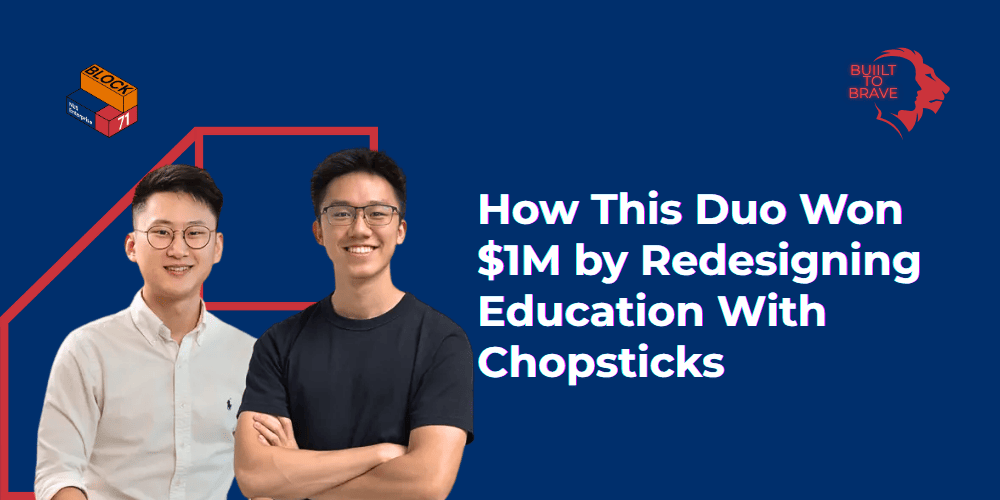
Hey there. What if the “side project” your friends shrugged off just won $1 million for changing the world? That’s exactly what happened to Chong Ing Kai and Adam Huh Dam – two Singaporean robotics geeks who came together to solve a global challenge in education access. Their BLOCK71 startup, Stick ‘Em, just took home the top prize at the 2025 Hult Prize.
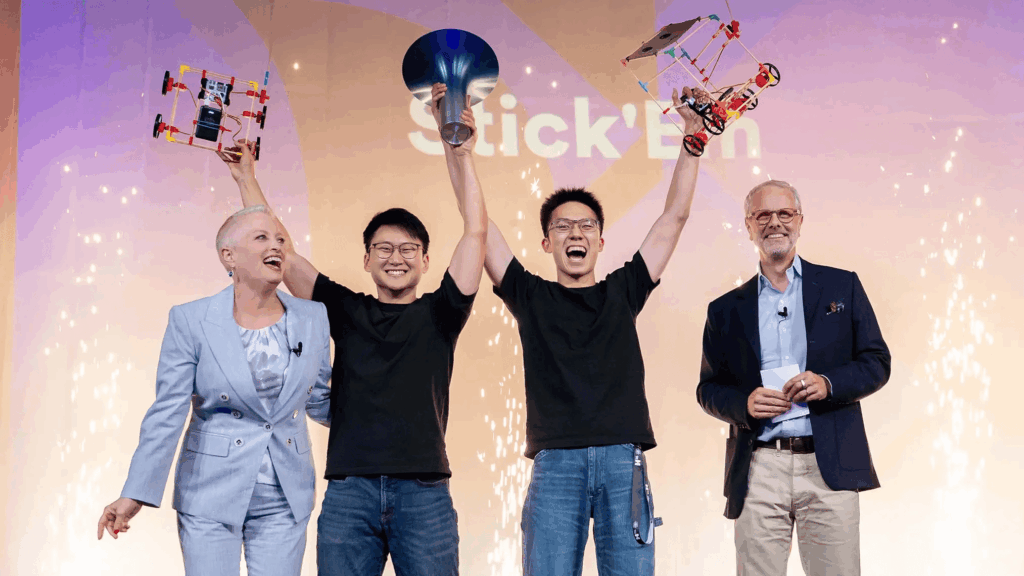
Image credit: Hult Prize Foundation
A Problem They Couldn’t Ignore
Ing Kai’s path to Stick ‘Em started with building “silly, dangerous stuff” – air cannons, flamethrowers, tasers. But after working with Engineering Good, a non-profit pairing innovators with the vulnerable community, his focus shifted to building things that can actually help humanity. Through this, Ing Kai discovered two brutal truths:
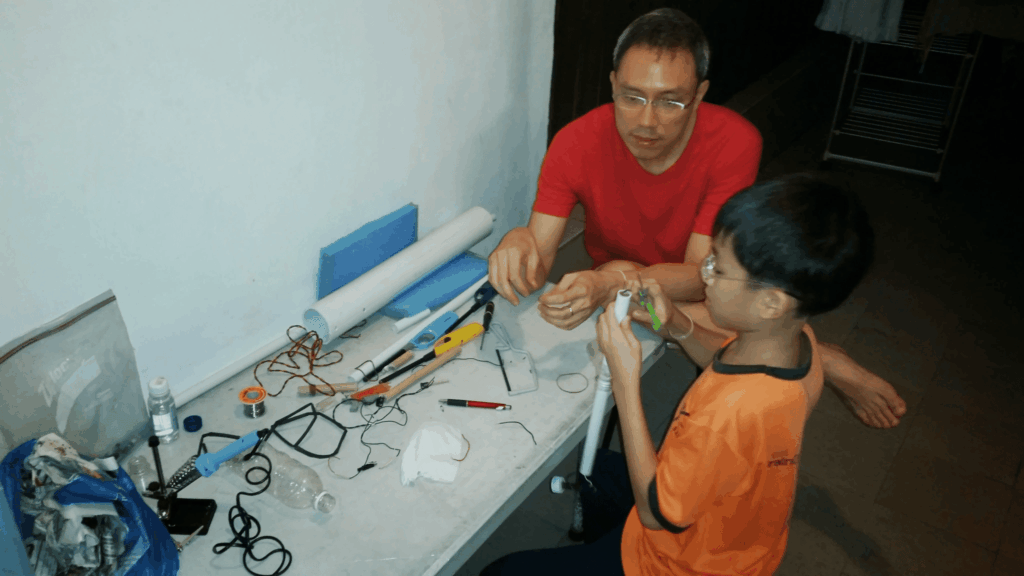
First: Quality STEAM education was locked behind a paywall only families with resources can unlock.
Second: Even children who can access these classes aren’t really learning. Many have been copying code, replicating existing robots, and treating competitions as resume-building exercises rather than genuine skill development.
“Some coaches even build the robots for their students,” Adam revealed, “so they can win competitions and put it on their CVs. It completely defeats the purpose.”
Small Teams Can Change the World Too
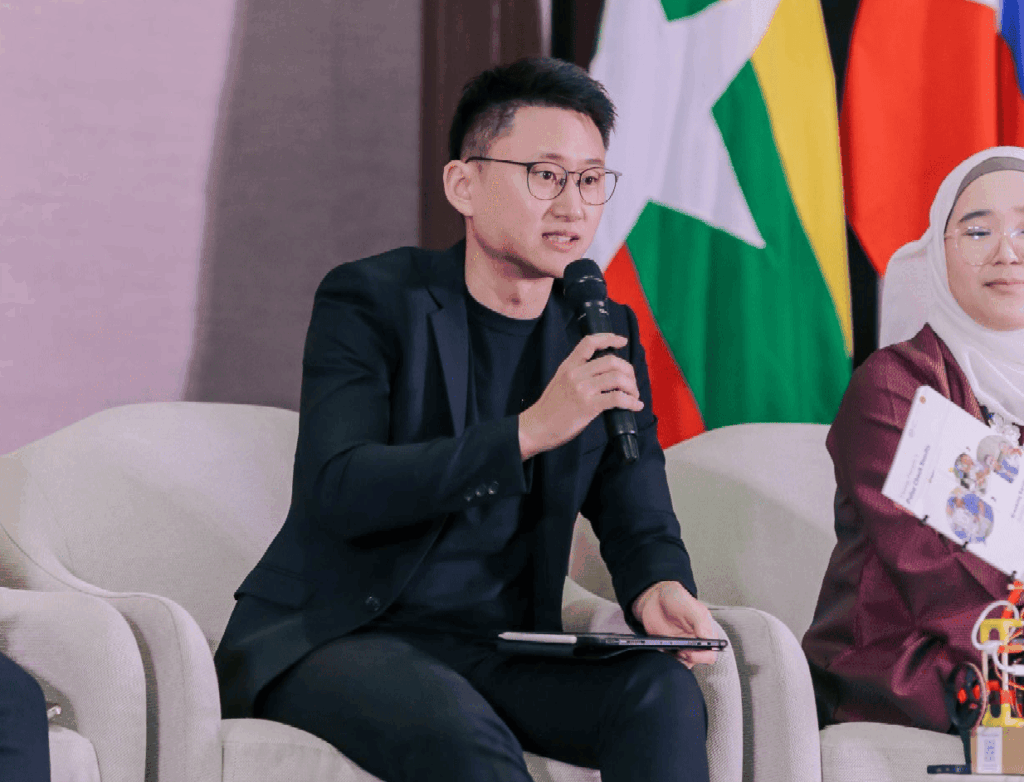
Image credit: Adam Huh Dam
Adam’s trajectory shifted during an unexpected internship at a venture capital firm. After years of representing Singapore in robotics competitions and dreaming of becoming an engineer at Boston Dynamics, he had a realisation: “I presumed only giant companies like Facebook or Google could change the world. But after seeing startups of 2-3 people working towards that too, I thought it might actually be possible for me to do the same.”
When he saw Ing Kai’s early and affordable robotics prototypes on Instagram, Adam reached out to collaborate and everything simply aligned. Both realised they share a core belief: “People should exist to help bring humanity a step forward.”
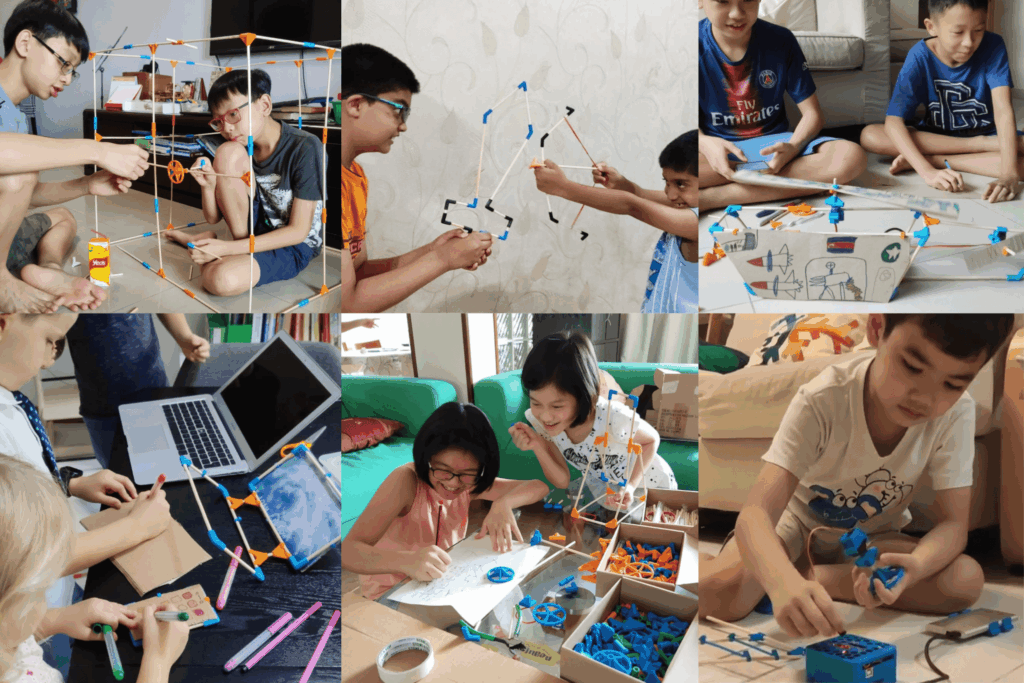
Image credit: Stick ‘Em
This belief gave birth to Stick ‘Em on 16 September 2020. Using chopsticks, geometric connectors, and plug & play electronics, the approach is elegantly simple: low-cost, accessible STEAM learning materials that force genuine problem-solving. Unlike traditional competitions where students anticipate and prepare, Stick ‘Em’s challenges require on-the-spot thinking. Students can’t rehearse solutions – they have to discover them in real-time.
The result: real skill development instead of performative learning.
Not Just A Side Hustle
For five years, Kai and Adam barely met in person to work – everything happened through remote calls and decentralised collaboration. Some people in their social circles still view Stick ‘Em as a “side project” rather than an actual company.
But that’s a misunderstanding. Stick ‘Em isn’t something just for spare time. Neither is it a charity play.
“Our goal isn’t to make this a billion-dollar company,” Adam explained. “We exist to bring quality STEAM education to as many children as possible while building a sustainable business around it.”
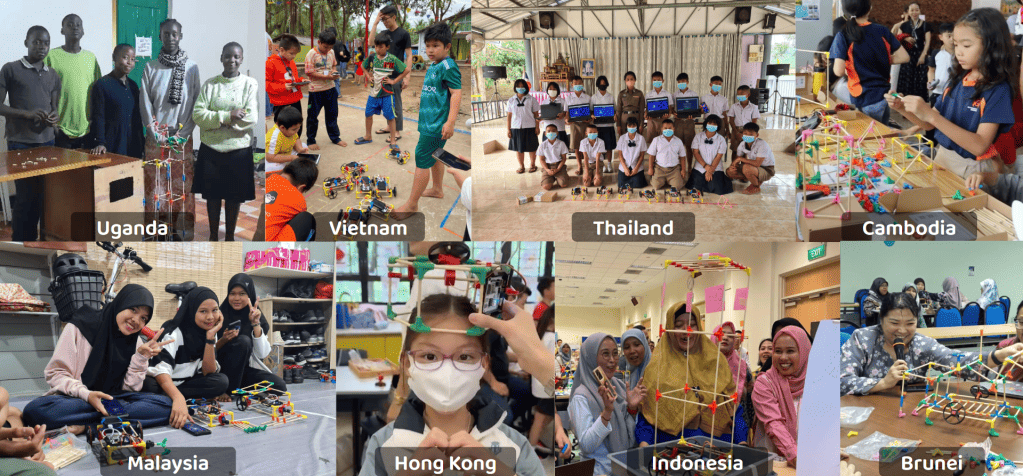
They operate as a for-profit social enterprise – selling to schools with a functioning business model, but optimising for impact rather than maximum profit. Manufacturing and assembly happen at their SUTD space, while BLOCK71 serves as a collaboration hub connecting them to peers and potential stakeholders.
The most common feedback they hear: “You won’t make big money from this, but you’ll be very impactful.”
Their response: “That’s exactly the point.”
Earning Global Credibility
Doubters keep these founders sharp as the skepticism consistently puts them in touch with the brutal reality that most startups fail. Being acutely aware of that makes the duo understand the need to build something that lasts. And winning the Hult Prize has delivered two critical assets beyond the $1 million:
Credibility: An international stage with distinguished judges giving them legitimacy that’s nearly impossible to achieve otherwise. Schools now see them as “the startup that won the Hult Prize” rather than “some random startup.”
Visibility: Their biggest limiting factor has been awareness—not product-market fit. “Even though we’re solving a very big problem, if people don’t know a solution exists, they won’t buy,” Adam noted. Post-Hult, they’re fielding calls from around the world.
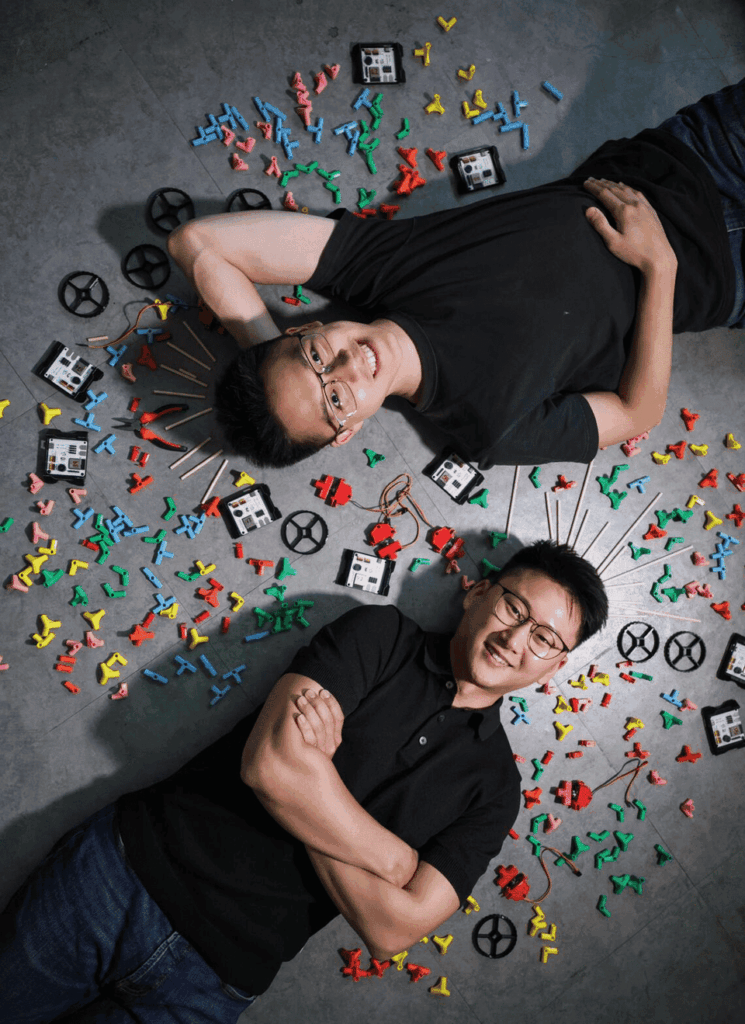
Image credit: Gin Tay @ The Straits Time.
As they scale with their Hult Prize funding, Ing Kai and Adam are proving a thesis that more founders should embrace: social enterprises can be the norm, not the exception. You don’t have to choose between impact and sustainability – you can build a business model around both.
And with chopsticks, connectors, and a commitment to genuine learning, that’s exactly what Stick ‘Em is doing.
Is that what you’re doing too?
With lots of luck,
Judson Teo
Head of Marketing, BLOCK71
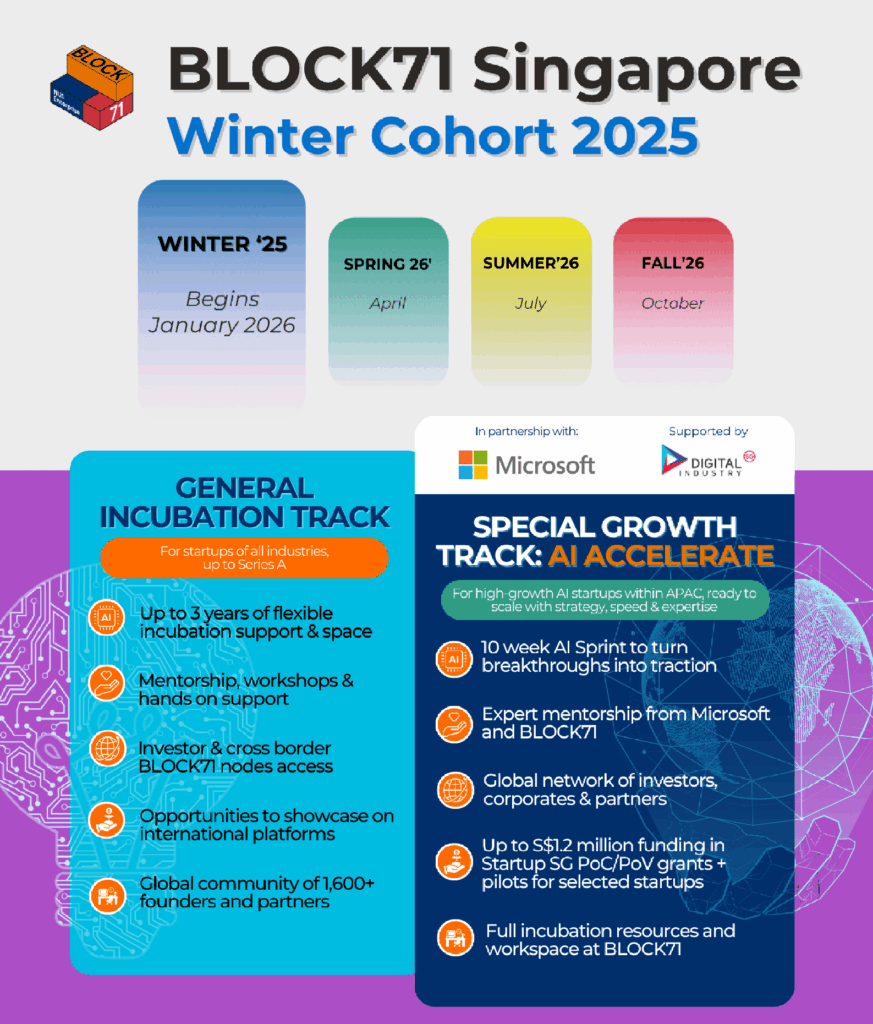
BLOCK71 Singapore is proud to have supported Adam and Ing Kai on their journey. If you too are building something to make the world a better place, we welcome you to be part of our upcoming Winter Cohort.