
Why Lululemon’s Next Big Thing Is In A Fermentation Tank
- 18/08/2025

Whether you’re building in biotech, energy, or anything in between, these shifts hint at where opportunities (and challenges) are heading. Let’s dive in!
Lululemon’s plant-powered fashion

Fulfilling its commitment to manufacture all of its products using sustainable materials, Lululemon recently signed a multi-year deal with biotech company ZymoChem to develop bio-based nylon 6,6 for the brand’s core collections.
The material is made using bio-derived adipic acid, a key ingredient traditionally sourced from petroleum, though ZymoChem produces it through a fermentation process that uses renewable feedstocks such as corn, resulting in nylon 6,6 that matches the texture and performance of conventional nylon.
What this means for biotech founders

Ronaldiaz Hartantyo
Co-Founder & Chief Innovation Officer
MYCL
Lululemon’s latest partnership reflects a powerful lesson in sustainable fashion: new materials succeed not just by matching performance, but by preserving design integrity and emotional resonance.
We’ve seen this validated in our own work with Mylea, our mycelium-based leather alternative. Over the past two years, we tested it across Japan, Hong Kong, and Italy with fashion buyers, designers, and consumers. Each time, organically patterned textures were favoured over uniform ones. These “imperfections” weren’t seen as flaws, but as unique, living characteristics imbued with a sense of story and soul.

Sustainability, while important, is rarely the first hook. In fashion, the emotional pull matters more. In Japan, for example, the appeal of kawaii – the cute, the charming, the delightful – can drive a purchase long before the material’s backstory is revealed.
That’s why with Mylea, we don’t hide its natural textures. We highlight them to give brands the opportunity to create one-of-a-kind pieces that reflect individuality and authenticity. It’s this blend of emotional engagement and sustainability that will define the next era of material innovation.
IEA forecasts clean energy to be main global power source by 2030
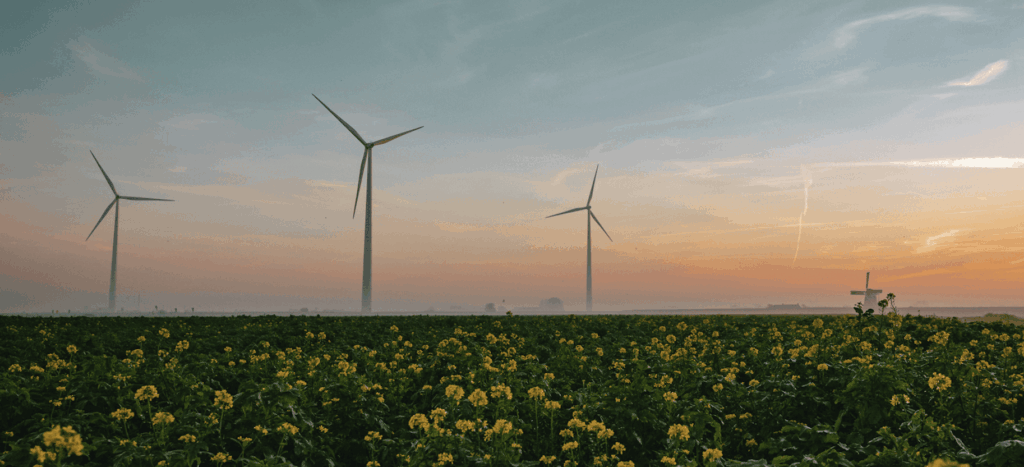
The global energy mix is shifting faster than expected. According to the International Energy Agency (IEA)’s Electricity 2025 report, renewable electricity is expected to surpass coal this year as the largest source of global power generation. Solar and wind energy are also projected to surpass nuclear power by 2026, with solar becoming the leading renewable source globally before the end of the decade.
Nearly all increase in electricity demand over the next 2 years will be met by low-emissions sources.
The report highlights continued expansion in clean energy capacity, with record additions in 2024. This trend signals a deepening global shift toward renewables, reinforcing strong investment momentum and increasing prioritisation of clean energy in both policy and infrastructure planning across major markets.
What this means for the renewable energy sector

In the past, the challenge was to encourage nations to adopt clean energy. Now, as we near the tipping point, that challenge gives way to a new one: being energy efficient. Globally, an estimated 30 MWh of electricity is wasted every minute—translating to over US$1 trillion in unrealised revenue.
Clean energy isn’t just decarbonising the grid, it’s also fuelling job creation and innovation. Technologies like energy storage (such as Synectify’s solutions), carbon-negative bioenergy, and tidal power are gaining traction. But as supply grows, so does demand, particularly from digital infrastructure.
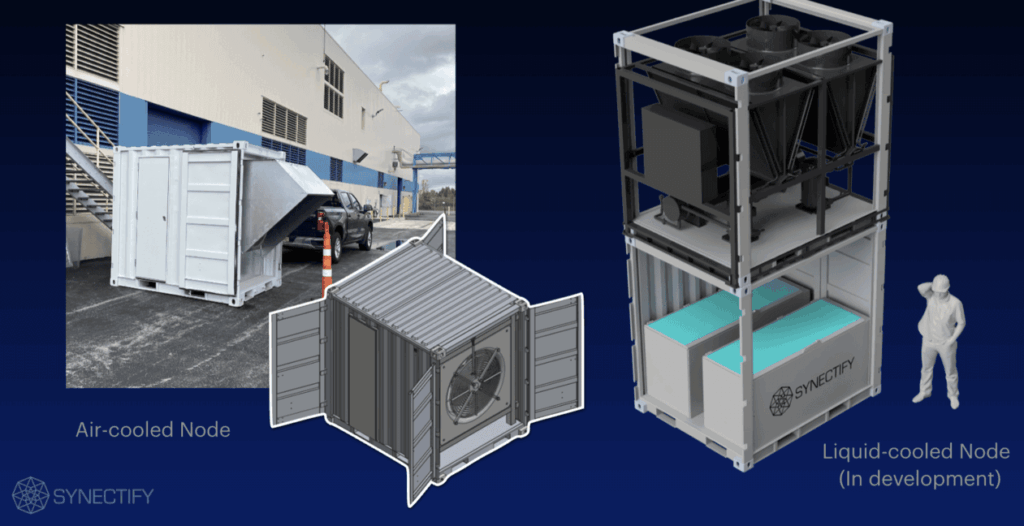
Synectify’s decentalised computing solution.
AI, simulations, digital twins, and Web3 applications are driving computing needs up by over 30% annually. Yet our ability to process all this data is lagging behind. That’s where we come in—building decentralised computing networks to support startups in industrial parks and beyond. Still, no single solution will suffice. The future demands a system-wide focus on efficiency, from power generation to computation.
Category
News & Article