How One Scientist Turned Her Own Cancer Diagnosis Into a Startup That’s Changing Lives
03/09/2025
Hey there, friend of BLOCK71. How would you spend your time if you knew it was borrowed? Most founders talk about pivoting when their startup hits a wall, but what about pivoting when life itself forces your hand?
For Dr Susanti, the irony was brutal. She had spent years studying how cancer spreads through new blood vessels, watching cells betray healthy tissue under her microscope. She knew the statistics, the prognosis charts, the latest treatment protocols published in journals worldwide.
What she didn’t expect was to become her own case study.
At 28, with a PhD scholarship to Australia waiting and a promising cancer research career ahead, Susanti was diagnosed with stage three colorectal cancer. The woman who had dedicated her life to understanding cancer suddenly found herself on the other side of the equation – not as the researcher, but as the patient.
When Knowledge Becomes So Near Yet So Far
“My knowledge was actually my enemy,” Susanti recalls. While undergoing treatment in Indonesia, she knew exactly what advanced diagnostics and treatments existed in research papers. She knew what genetic testing could reveal about her tumor. She knew the survival statistics for her stage.
But she couldn’t access any of it.
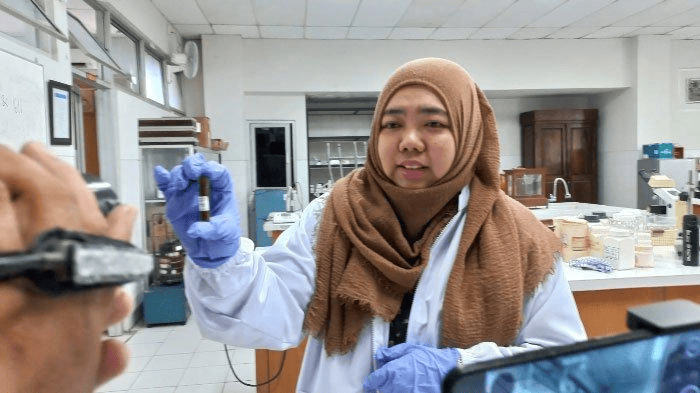
The gap between cutting-edge research and clinical reality in Indonesia was a chasm that her scientific knowledge only made more painful. Her husband eventually confiscated her tablet and computer, begging her to stop reading journals and trust the doctors with the resources they had.
Two years. Eight rounds of chemotherapy. Multiple surgeries and complications that left her with a permanent stoma. Through it all, even while recovering on her sofa at home, Susanti continued supervising student research projects. Science wasn’t just her career – it was her identity, her meditation, her way of making sense of the world.
The Moment Everything Changed
And this was why the desire to complete her PhD brought her (and her family) to the University of Nottingham. There, Susanti faced a choice that would define her future. She could continue with breast cancer research as originally intended, or pivot to the very disease that had derailed her life.
She chose colorectal cancer.
“I thought this must be something God wanted to say to me,” she explains. “Why was I studying cancer, then I got cancer?”
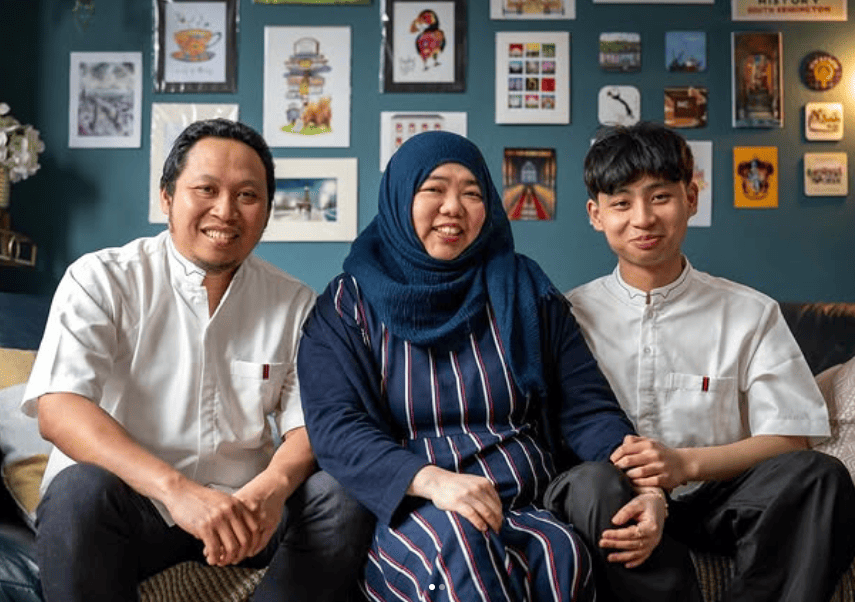
With the loving support of her husband and son, Dr Susanti uprooted her family and moved to the UK.
Her PhD project focused on linking cancer patients’ genetic makeup with their tumor microenvironment – essentially mapping how cancer cells recruit neighboring cells to support their growth. But as she developed a lab test for her research, a realisation hit her: this relatively simple test could give Indonesian cancer patients the genetic information she never had access to during her own treatment.
From Personal Pain to Patient Purpose
What started as academic research became a deeply personal mission. Susanti’s lab test was easier to perform than next-generation sequencing and could be implemented in Indonesia’s healthcare system. Instead of keeping it in the academic realm, she decided to transform it into a diagnostic kit that could actually help patients.
This decision led to PathGen.
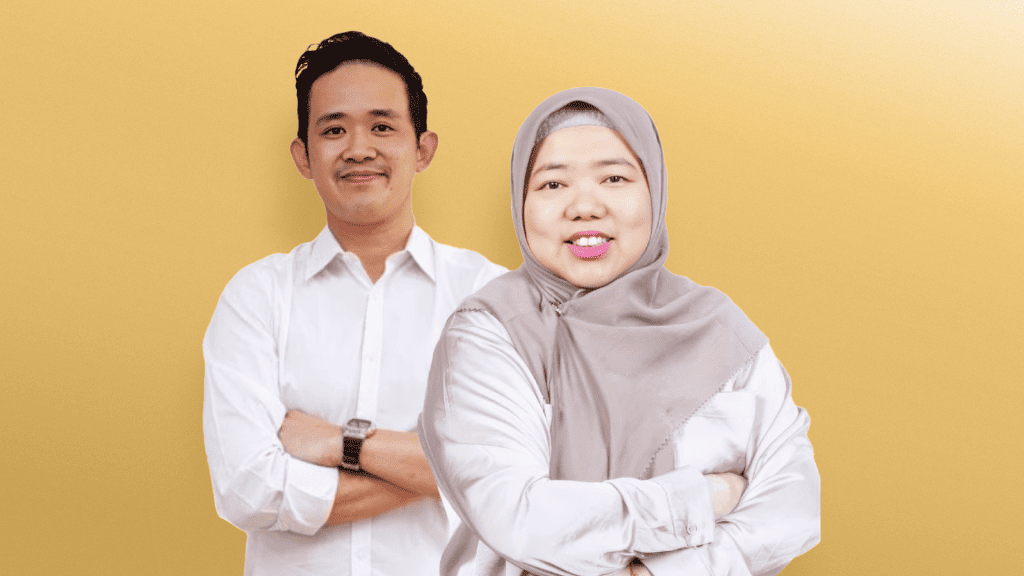
PathGen is co-founded by Dr Susanti and Dr Michael Spica Rampangilei.
The journey wasn’t smooth. Fellow scientists questioned whether she could really build a startup. “We need to admit, in the science community we are kind of clueless about this startup journey,” she laughs. But her “go-getter personality” and the compelling narrative of her personal experience opened doors.
Indonesian clinicians embraced the project, offering free multi-center clinical validation. The state-owned biotech company Biofarma stepped in to help with manufacturing. PathGen won the People’s Choice Award at the Extreme Tech Challenge Global, validating that their story resonated beyond scientific circles.
The Face of Resilience
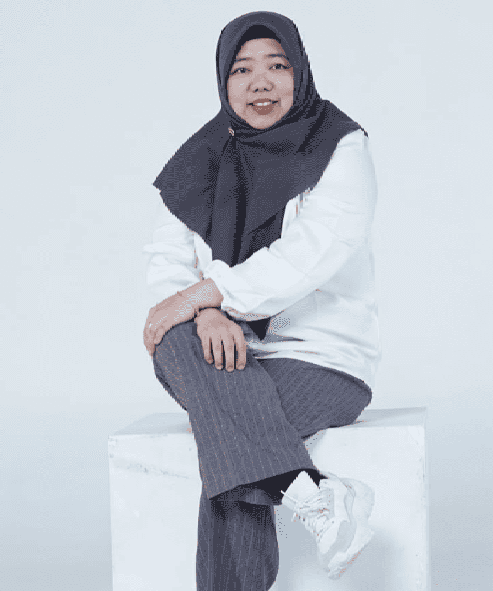
Today, Dr. Susanti lives what she calls “two and a half full-time jobs.” She’s a full-time researcher at Cancer Research UK Scotland Institute, where she studies cancer resistance at the single-cell level. She’s also full-time CEO of PathGen, flying between the UK and Indonesia three to four times a year to build partnerships and expand the company’s impact.
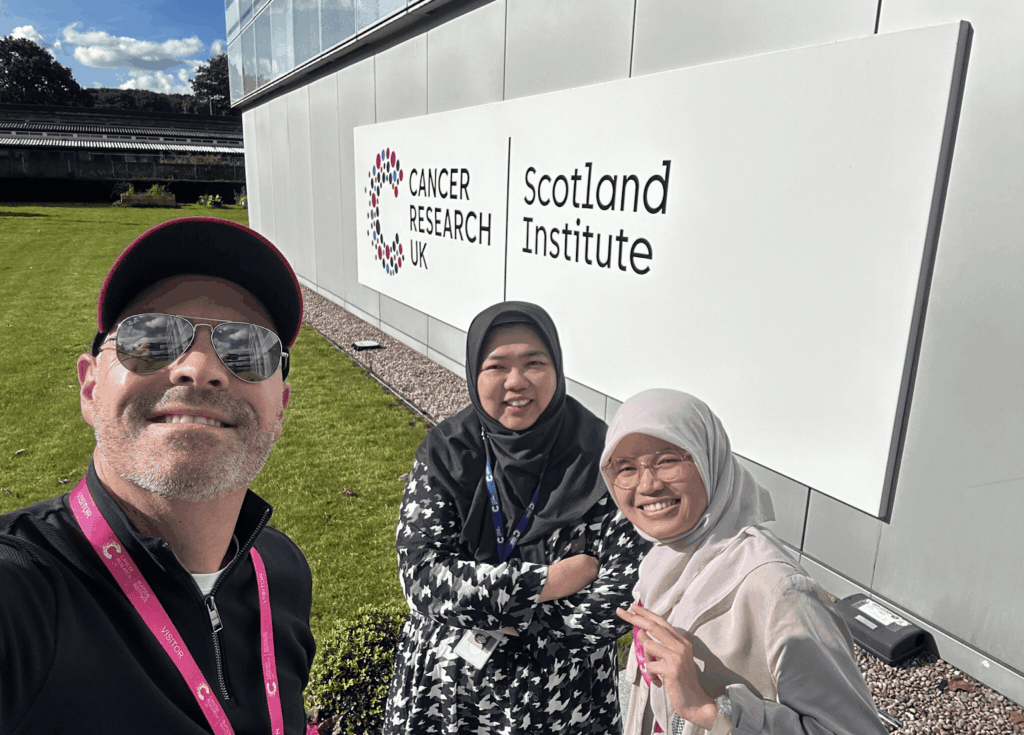
PathGen is now expanding beyond colorectal cancer into HPV-related cancer detection, molecular markers for stunting, and AI-powered precision treatment. Their goal isn’t just to bring advanced diagnostics to Indonesia but to also build research capacity and ensure that the next generation of patients won’t face the same gaps Susanti experienced.
Maximising That Second Chance
“After being diagnosed, you feel like someone robbed your time,” Susanti reflects. “Once you get a second chance, you think about how you’re going to use your borrowed time.”
For most people, a cancer diagnosis might end their research career or shift their priorities entirely. For Susanti, it became the catalyst for her most important work. The very knowledge that once felt like her enemy during treatment became her superpower as a founder.
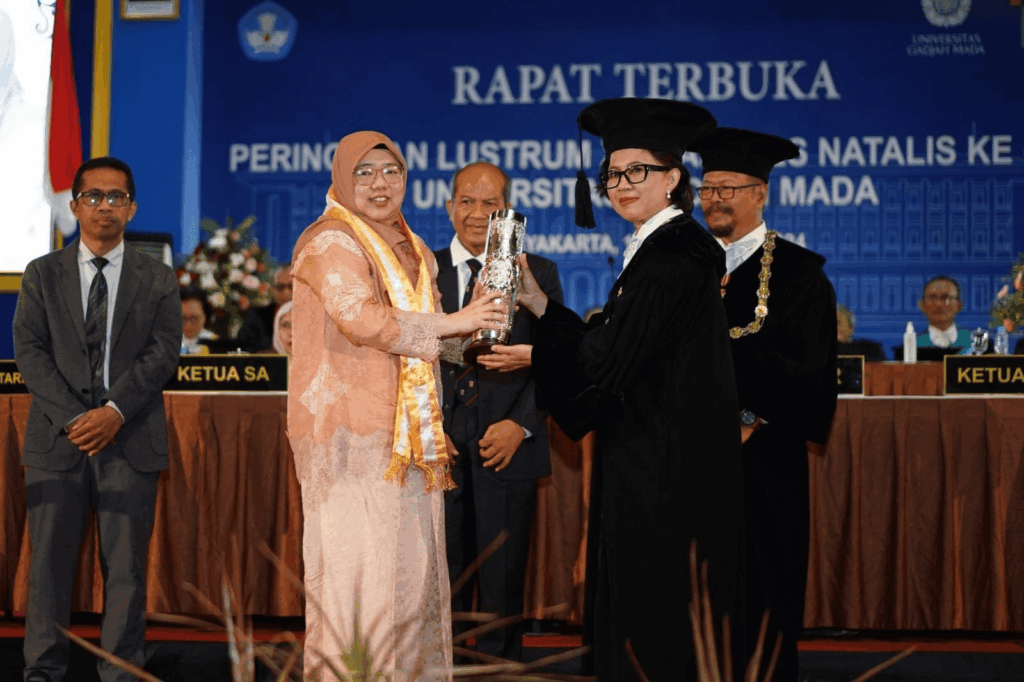
Dr Susanti was recently one of four individuals conferred with the Universitas Gadjah Mada Award, which recognises awardees’ contribution towards knowledge advancement in Indonesia.
Her story isn’t just about surviving cancer but also about transforming personal tragedy into systemic change. It’s about the beautiful, brutal irony of how our deepest challenges can become our greatest contributions.
In the lab, Susanti found meditation. In her diagnosis, she found frustration. In her recovery, she found purpose. And in founding PathGen, she discovered a way to ensure that future cancer patients in Indonesia won’t have to choose between hope and access.
Setbacks are setups for something bigger than we originally planned. Science never failed Dr Susanti, even when it felt like it had. It just took a different form, reminding us that our deepest expertise often gets forged in our darkest moments.
The question is whether we can recognise it as the beginning of our most important work.